Communicating with Dementia Patients: Tips for Caregivers
As the vibrant reds, oranges, and golds of fall paint the Ontario landscape, we’re reminded of the beauty in change, and sometimes, the challenges. For families caring for a loved one with dementia, these changes can be particularly poignant, often bringing shifts in how you connect and communicate. It's a journey filled with love, but also moments of confusion, worry, and stress. At Filipino Homecare, we understand these feelings deeply. Our mission is to provide compassionate, culturally sensitive in-home care, helping families navigate these changes with grace and confidence.
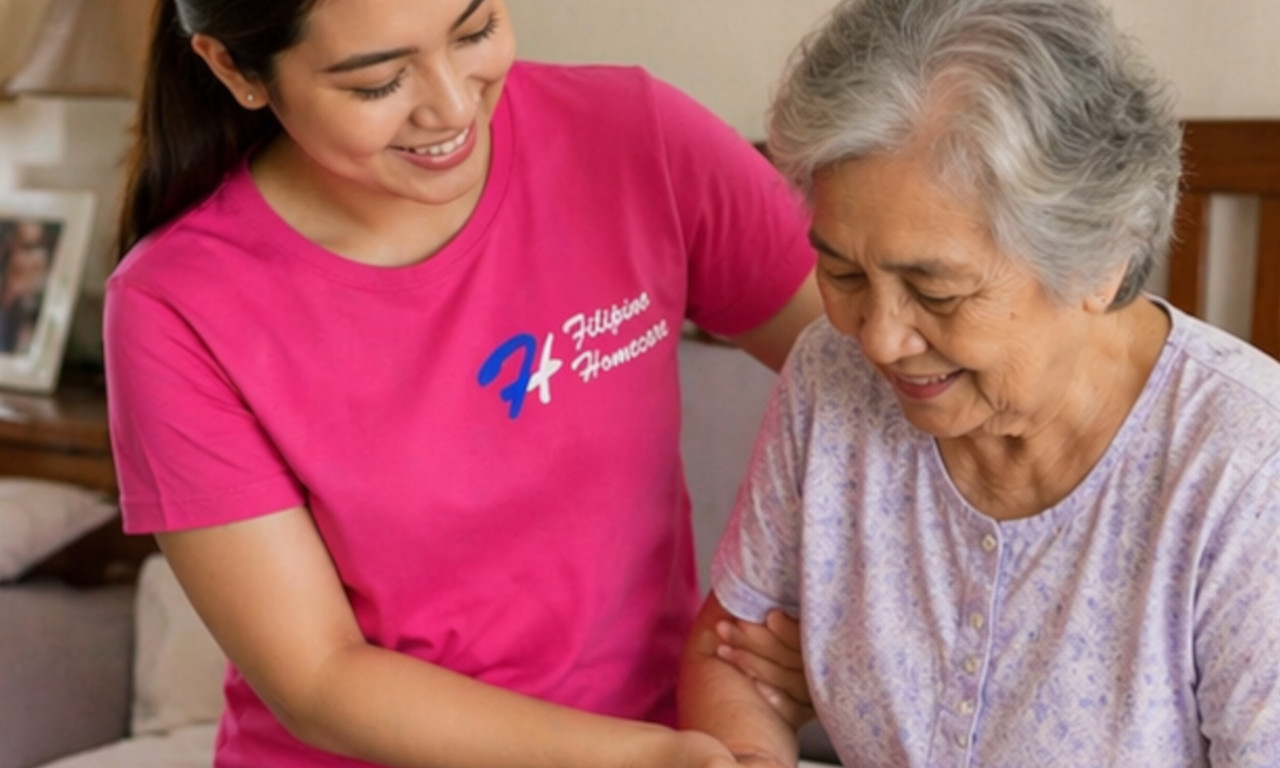
Communication is the cornerstone of any relationship, and it remains vital even when dementia begins to alter cognitive abilities. While the way your loved one expresses themselves or understands information may change, their fundamental need for connection, dignity, and understanding persists. Our dedicated Filipino caregivers, renowned for their patience and 'malasakit' (heartfelt caring), are skilled in fostering these connections. We believe that with the right approach and a heart full of empathy, meaningful communication is always possible.
The Evolving Landscape of Dementia Communication
Dementia affects various parts of the brain, impacting memory, judgment, problem-solving, and language. This can lead to difficulties in finding the right words, understanding complex sentences, or remembering recent conversations. As a caregiver, whether you’re a family member or a professional, these changes can be frustrating and heartbreaking. It’s essential to remember that these communication challenges are a symptom of the disease, not a reflection of your loved one's will or your caregiving abilities.
Understanding this fundamental truth is the first step towards building more effective and less stressful interactions. Our Filipino Homecare team is BBB accredited, meaning you can trust our commitment to professionalism and compassionate care, especially in specialized areas like dementia care. We empower our caregivers with strategies to enhance communication, ensuring your loved one feels heard, valued, and safe.
Practical Communication Tips for Caregivers
Here are some empathetic and practical tips that our Filipino Homecare caregivers utilize daily, and that families across Hamilton, Burlington, Oakville, Mississauga, Toronto, Barrie, Ottawa, and all of Ontario can incorporate immediately:
Create a Calm and Consistent Environment
The fall season often brings a natural shift indoors, making your home environment even more crucial. Minimize distractions like loud TVs, radios, or busy backgrounds during conversations. A quiet, familiar setting helps your loved one focus. Establishing a predictable daily routine, for personal care, meal prep, or companionship activities, also provides a sense of security and reduces confusion, making communication easier. Our caregivers help maintain these comforting routines, ensuring stability.
Speak Clearly, Simply, and Slowly
When communicating, use short, simple sentences. Focus on one idea at a time. Speak slowly and clearly, in a calm and reassuring tone. Avoid jargon, slang, or abstract concepts. Instead of asking, "Do you want to wear your blue sweater, your green shirt, or the plaid one for our walk today?" try, "Let's put on your blue sweater. It's a bit chilly for our walk." This directness reduces the cognitive load on your loved one.
Listen with Your Heart and Your Eyes
Much of communication is non-verbal. Pay close attention to your loved one's body language, facial expressions, and gestures. Are they restless? Do they look confused or distressed? Sometimes, a touch of a hand or a gentle hug can convey more than words. Validate their feelings, even if their words don't make logical sense. "I see you're feeling frustrated right now" can be more helpful than trying to correct a misconception. Our caregivers are trained to listen with deep empathy, embracing the 'malasakit' approach to truly understand unspoken needs.
Engage in Positive Redirection and Validation
If your loved one repeats a question or expresses a confusing thought, avoid arguing or correcting them. Instead, gently redirect the conversation. For instance, if they're worried about a past event, you might say, "That sounds like a challenging time. Tell me more about what you remember," and then smoothly shift to a pleasant memory or activity. Fall is a wonderful time for reminiscing; looking at old photos of autumn leaves or past family Thanksgiving gatherings can be a comforting way to engage.
Use Visuals and Gentle Touch Appropriately
Visual aids can be incredibly helpful. Point to the object you're talking about, or demonstrate an action. For example, if offering a drink, hold up the glass. During personal care, a gentle, reassuring touch can communicate comfort and support. Our caregivers incorporate these techniques during activities like meal prep, assisting with personal care, and providing companionship, making interactions smoother and more respectful.
Embrace Repetition and Patience
Memory loss is a hallmark of dementia, meaning your loved one may ask the same question multiple times or forget what you just said. It's crucial to respond with patience and understanding, repeating information as needed without showing irritation. Remember, they are not doing this intentionally. Your calm and consistent responses are a source of reassurance.
Maintain Dignity and Respect
Always address your loved one as an adult, even when their abilities diminish. Involve them in decisions where possible, offering limited choices (e.g., "Would you like chicken or fish for dinner?"). Our Filipino Homecare caregivers prioritize maintaining the dignity and autonomy of every individual, ensuring that even during challenging moments, respectful care is paramount. This extends to all our services, from post-hospital support to palliative care.
Filipino Homecare: Your Partner in Compassionate Dementia Care
Caring for someone with dementia is a journey that no one should have to walk alone. At Filipino Homecare, we are dedicated to supporting families across Ontario with exceptional, compassionate care. Our caregivers bring not only professional training but also the inherent warmth and respectful nature characteristic of Filipino culture – truly exemplifying 'malasakit' in every interaction. We understand the nuances of dementia care and are here to provide the specialized support your family needs.
Whether you're exploring options for personal care, companionship, respite care to give family caregivers a much-needed break, overnight or 24-hour care, or even specialized nursing care or Family Managed Home Care (FMHC), our team is here. We serve communities in Hamilton, Burlington, Oakville, Mississauga, Toronto, Barrie, Ottawa, and beyond, offering peace of mind through our BBB accredited services.
This fall, as you cherish moments with your loved ones, remember that effective communication, even in the face of dementia, strengthens bonds and brings comfort. Let us help you foster those connections.
Connect with Filipino Homecare Today
You don't have to navigate the complexities of dementia care alone. Let Filipino Homecare be your trusted partner, providing compassionate, culturally sensitive support that truly makes a difference. For a free consultation and to learn more about how we can help your family across Ontario, please call us at 905-929-7322 or visit us online at filipinohomecare.ca. We are here to listen, support, and care.
Compassionate Care for Your Loved One
Speak with our care coordinator to design a home care plan that fits your family.
Call 905-929-7322