Companion Care vs. Personal Care: What Does Your Family Need?
As the snow melts away and Ontario bursts into the vibrant colours and renewed energy of spring, many families find themselves re-evaluating the needs of their aging loved ones. Perhaps a long winter has highlighted new challenges, or the desire for more independence with warmer weather has surfaced. Deciding on the right type of in-home support is a significant step, and two common options often come to mind: companion care and personal care.
At Filipino Homecare, we understand that this decision can be stressful and filled with worry. Our mission is to provide compassionate, culturally sensitive care that brings peace of mind to families across Ontario. We're here to help you understand the differences between companion care and personal care so you can choose the best path forward for your family.
What is Companion Care?
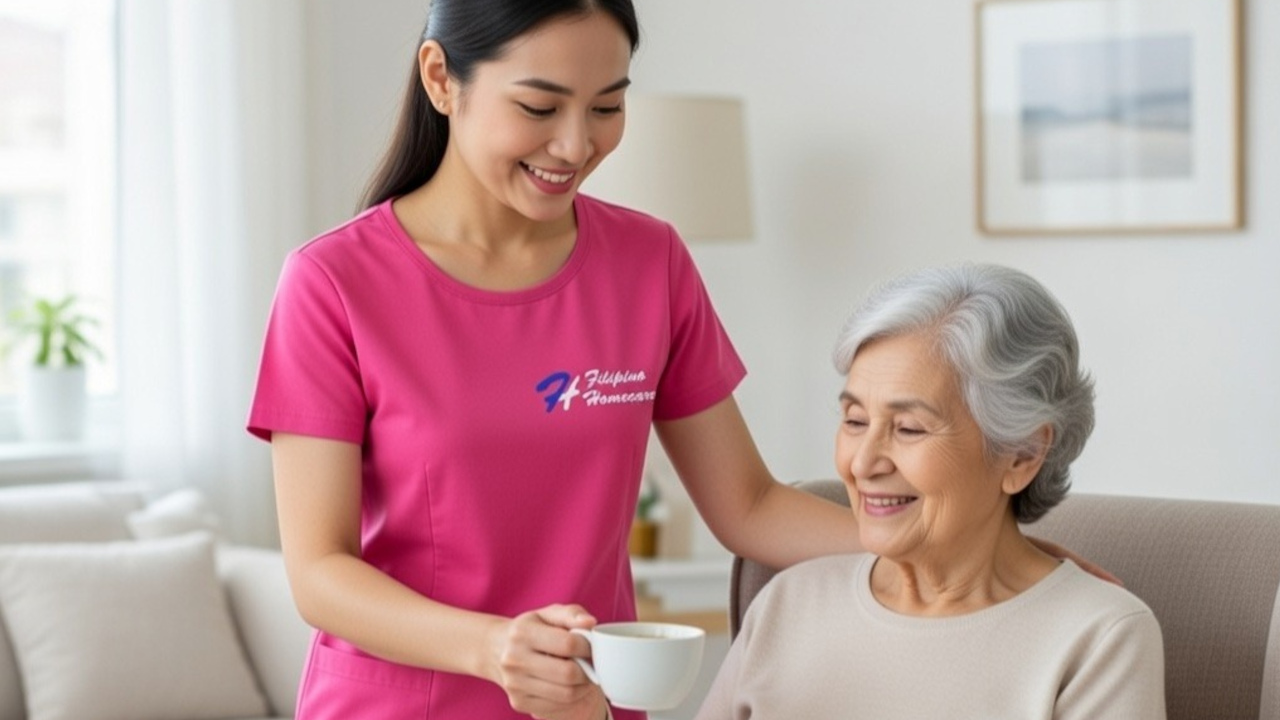
Companion care focuses primarily on social, emotional, and practical support that doesn't involve hands-on physical assistance with intimate tasks. It’s about being a trusted friend and helper, fostering a sense of connection and reducing loneliness.
The Role of a Companion Caregiver
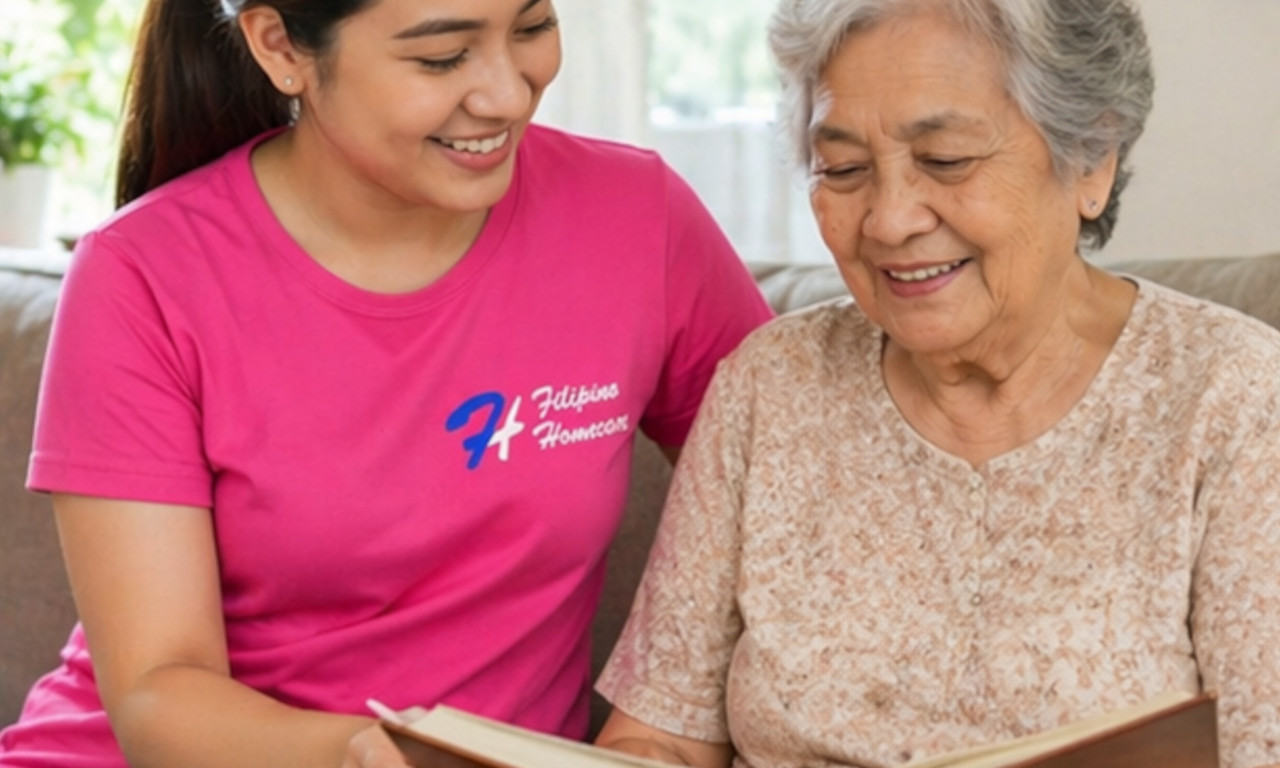
- Social Engagement: Engaging in stimulating conversations, playing games, reading aloud, or simply enjoying shared quiet moments. Our compassionate Filipino caregivers bring a genuine warmth and understanding, embodying 'malasakit' – a heartfelt caring that goes beyond duty.
- Errands and Appointments: Providing safe transportation and accompaniment to doctor's appointments, social gatherings, or shopping trips. Imagine enjoying a gentle spring walk through a local park with assistance, or having a companion to help with grocery shopping for fresh seasonal produce.
- Light Housekeeping: Assisting with tidying up, laundry, and maintaining a clean and organized home environment. This can be especially helpful as spring cleaning projects emerge!
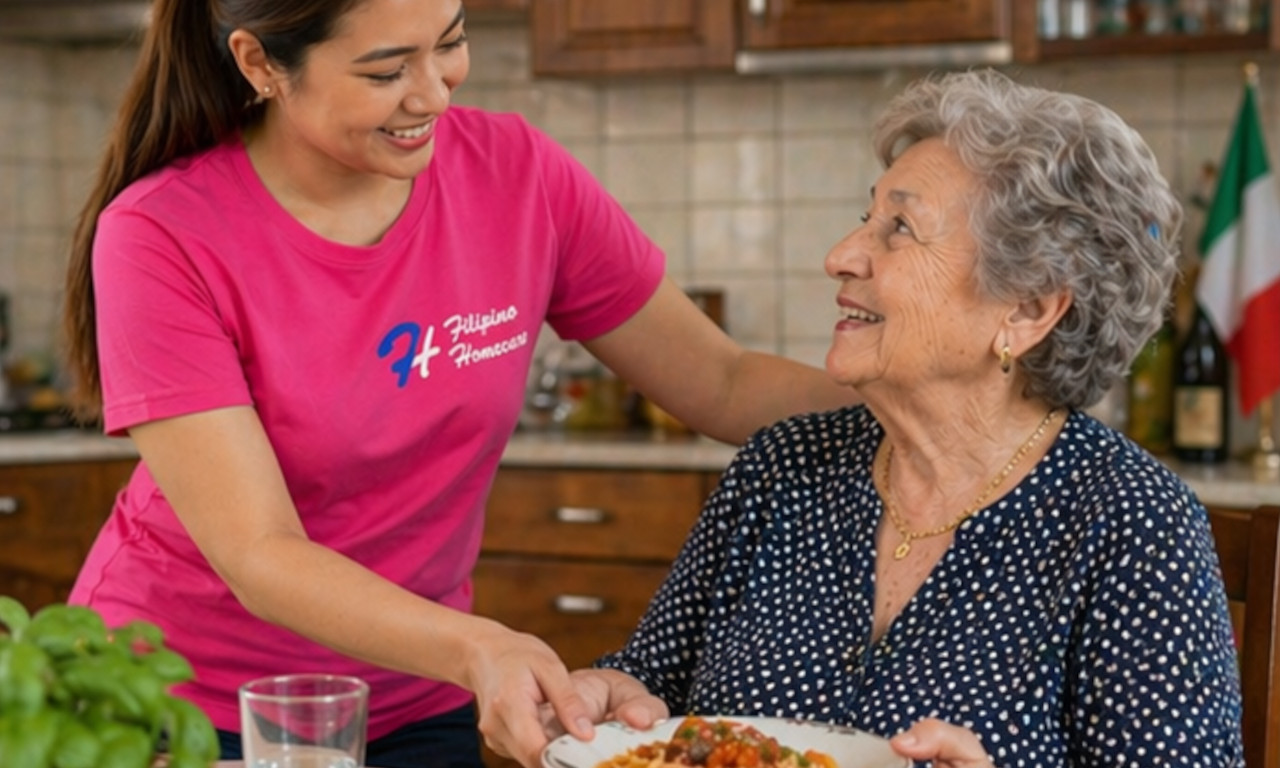
- Meal Preparation: Planning and preparing nutritious meals and snacks, ensuring your loved one maintains a healthy diet.
- Medication Reminders: Prompting your loved one to take their medications on time.
- Safety Supervision: Offering a watchful presence and ensuring a safe environment, particularly for those with mild cognitive decline or mobility challenges.
Companion care is ideal for seniors who are largely independent but could benefit from social interaction, a little extra help around the house, and a watchful eye. It’s about enhancing their quality of life and preventing social isolation, which can often be overlooked.
What is Personal Care?
Personal care, on the other hand, involves direct, hands-on assistance with Activities of Daily Living (ADLs). These are the fundamental tasks people need to perform to care for themselves each day. When a senior struggles with ADLs, personal care becomes essential for their safety, dignity, and overall well-being.
The Role of a Personal Caregiver
- Bathing and Hygiene: Assisting with bathing, showering, oral care, and maintaining personal hygiene in a respectful and discreet manner.
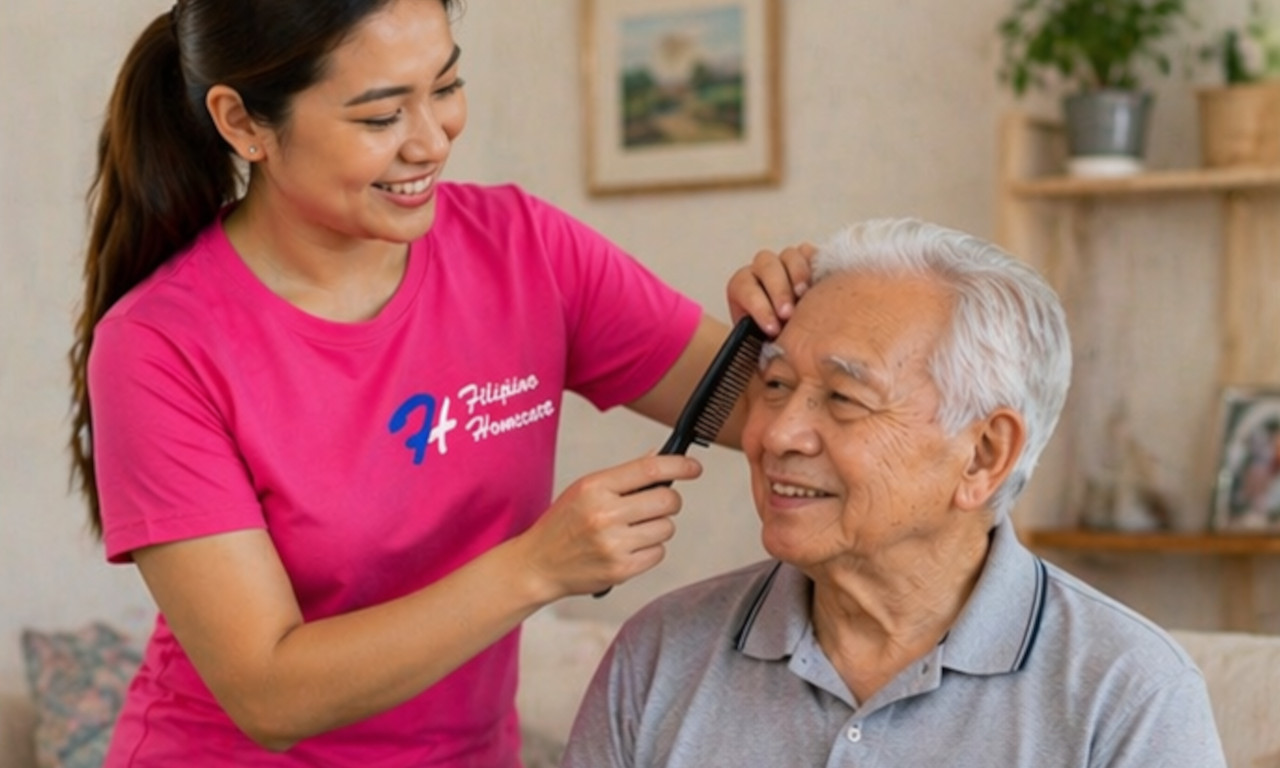
- Dressing and Grooming: Helping with choosing clothes, getting dressed, hair care, and other grooming tasks.
- Toileting and Incontinence Care: Providing sensitive and dignified assistance with bathroom needs, including incontinence management.
- Mobility and Transfers: Safely assisting with moving around the home, transferring from bed to chair, or using mobility aids. After a long winter, some seniors may find their mobility has decreased, making these tasks more challenging.
- Feeding: Providing help with eating meals, especially for those with difficulty swallowing or using utensils.
- Medication Management: Assisting with organizing and administering medications as prescribed.
Personal care services are crucial for seniors who require physical assistance to maintain their independence and safety at home. Our highly trained and compassionate Filipino caregivers are skilled in providing these services with the utmost respect and professionalism.
The Overlap and Key Differences
Both companion care and personal care aim to support seniors in their homes, enhancing their quality of life. There's often an overlap; a personal caregiver will naturally provide companionship, and a companion caregiver may help with tasks like meal prep that indirectly support personal well-being.
The key distinction lies in the level of hands-on physical assistance. If your loved one needs help with intimate tasks like bathing, dressing, or toileting, personal care is what they require. If their needs are more focused on social interaction, light household tasks, and general supervision, companion care is likely the appropriate choice.
How to Determine What Your Family Needs
Understanding your loved one's specific needs is the first step. Here are some practical tips you can use right away:
- Observe Daily Routines: Pay close attention to how your loved one manages their day-to-day tasks. Are they struggling with meal preparation? Is their hygiene declining? Are they isolating themselves?
- Assess Their Abilities: Can they bathe, dress, and toilet independently? Do they have difficulty moving around their home safely? Consider both Activities of Daily Living (ADLs) and Instrumental Activities of Daily Living (IADLs) like managing finances, driving, or preparing complex meals.
- Consider Their Social Needs: Do they seem lonely or withdrawn? Have they lost interest in hobbies or social activities? Spring is a wonderful time for renewed social engagement, and companionship can make a world of difference.
- Talk to Their Doctor: A physician can offer valuable insights into your loved one's health status and recommend appropriate care levels.
- Involve Your Loved One: Whenever possible, include your parent or senior in the conversation. Their preferences and feelings are paramount.
- Look for Warning Signs: Increased falls (especially important after winter ice has cleared, as muscles may be weaker), unexplained weight loss, confusion, or a messy home can all indicate a need for more support.
When Companion Care is Enough:
Your loved one might benefit most from companion care if they:
- Are generally independent but feel lonely or isolated.
- Need assistance with errands, appointments, or light chores.
- Could use help preparing meals or managing their home.
- Have mild cognitive decline but can still perform most ADLs.
- Desire more social interaction and engagement.
When Personal Care Becomes Necessary:
Personal care is likely needed if your loved one:
- Requires assistance with bathing, dressing, grooming, or toileting.
- Has difficulty with mobility or needs help transferring.
- Is recovering from surgery or illness and needs post-hospital support.
- Manages chronic conditions that impact their ability to care for themselves.
- Is living with dementia and requires hands-on support for daily tasks.
- Needs overnight or 24-hour care for safety and constant assistance.
The Filipino Homecare Difference: Care with Malasakit
At Filipino Homecare, we believe that care is not just a service; it's a relationship built on trust, respect, and deep empathy. Our BBB accredited agency is proud to offer a unique blend of professional excellence and heartfelt caring, known as 'malasakit'.
- Compassionate Filipino Caregivers: Our caregivers are not only highly trained and experienced but also bring a natural warmth, respect, and inherent 'malasakit' to every interaction. They treat clients like family, understanding the importance of cultural sensitivity and personal connection.
- Culturally Sensitive Care: We understand the diverse needs of families across Ontario. Our caregivers are attuned to various cultural nuances, ensuring a comfortable and respectful care environment, whether it involves food preferences, language, or traditions.
- Comprehensive Services for Every Need: Beyond companion and personal care, we offer a full spectrum of services tailored to your family's unique situation, including dementia care, respite care, overnight and 24-hour care, post-hospital support, meal preparation, nursing care, and palliative care. We also support families utilizing Family Managed Home Care (FMHC), empowering you to choose the care that best fits your loved one.
- Serving All of Ontario: From Hamilton, Burlington, Oakville, and Mississauga to Toronto, Barrie, Ottawa, and communities across the province, Filipino Homecare is dedicated to bringing exceptional in-home care right to your doorstep.
This spring, as you consider the best care for your loved one, remember that you don't have to navigate this journey alone. Filipino Homecare is here to be your trusted partner, providing the support and peace of mind your family deserves.
We offer a free, no-obligation in-home assessment to help you understand your loved one's needs and explore the most suitable care plan. Let us bring our compassionate 'malasakit' into your home.
Ready to learn more? Call us today at 905-929-7322 or visit us online at filipinohomecare.ca.
Compassionate Care for Your Loved One
Speak with our care coordinator to design a home care plan that fits your family.
Call 905-929-7322