Companion Care vs. Personal Care: What Your Ontario Family Needs
As the vibrant colours of fall sweep across Ontario, bringing with them a crisp chill and shorter days, many families begin to think more deeply about the well-being of their aging loved ones. The changing season often highlights the need for extra support, whether it's navigating slippery autumn leaves, preparing for the colder months, or simply combating the increased feeling of isolation that can come with less time outdoors.
If you're an adult child caring for an aging parent, or a senior yourself considering in-home support, you've likely encountered terms like "companion care" and "personal care." While both are invaluable services designed to enhance quality of life and promote independence, they address different sets of needs. Understanding the distinction is crucial for making an informed decision that truly benefits your family.
At Filipino Homecare, we understand that this decision can feel daunting. You want the best for your loved one, and you deserve peace of mind. We're here to guide you through the differences with clarity, compassion, and the heartfelt caring spirit of "malasakit" that defines our Filipino caregivers.
Understanding Companion Care: Nurturing the Spirit
Imagine a loved one who is largely independent but perhaps feels a bit lonely, especially as the fall days grow shorter and outdoor activities become less frequent. They might manage their own personal hygiene and mobility with ease, but miss social interaction, stimulating conversation, or a helping hand with errands. This is where companion care shines.
What is Companion Care?
Companion care focuses primarily on emotional support, social engagement, and light assistance around the home. It's about building a meaningful relationship and ensuring your loved one feels connected, safe, and valued.
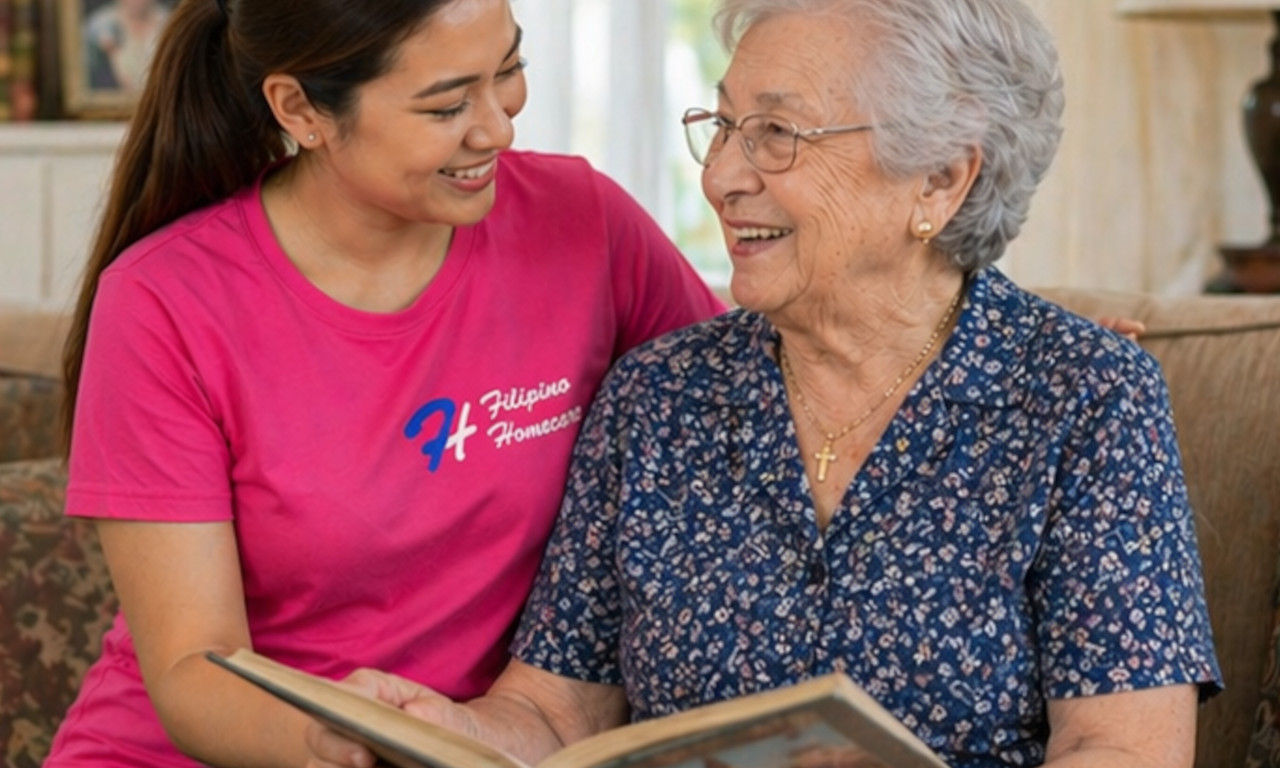
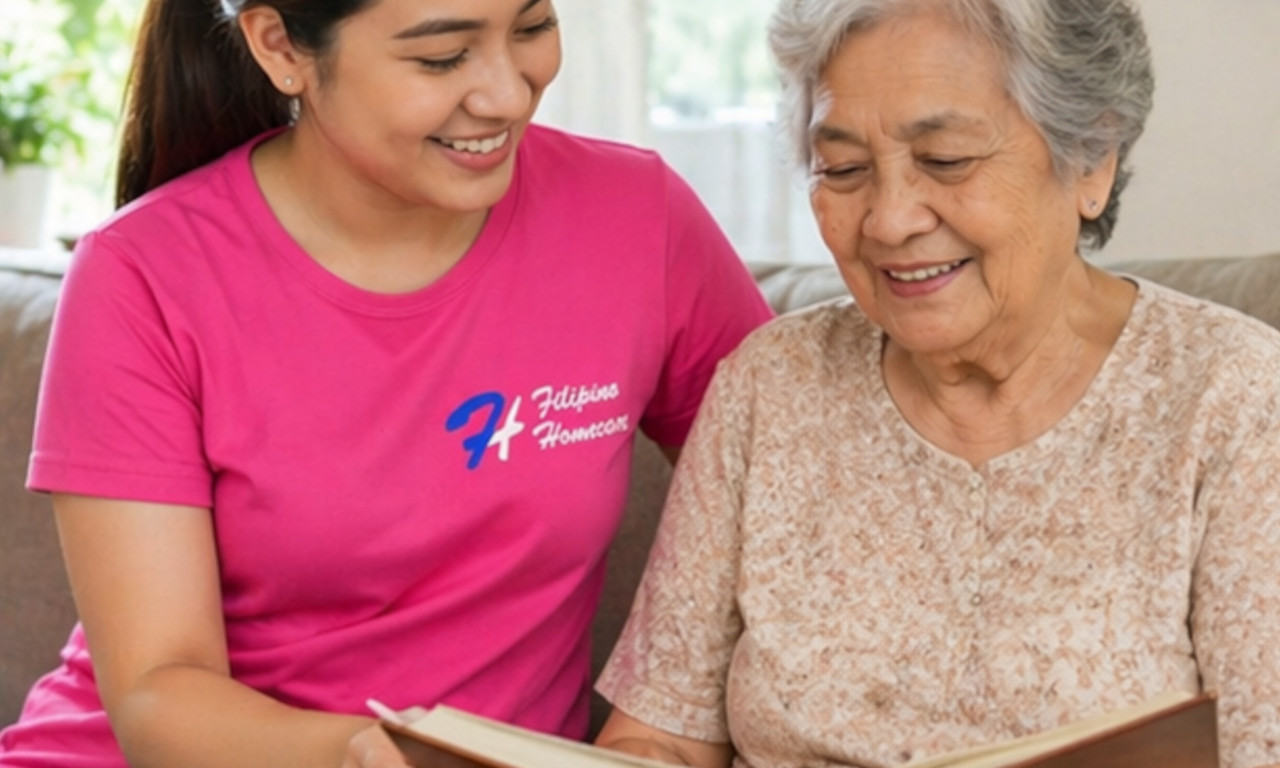
- Social Engagement: This can involve engaging in hobbies, playing games, reading aloud, reminiscing, or simply having a friendly conversation. For seniors in Ontario, this can be especially important during the fall and winter months when isolation can increase.
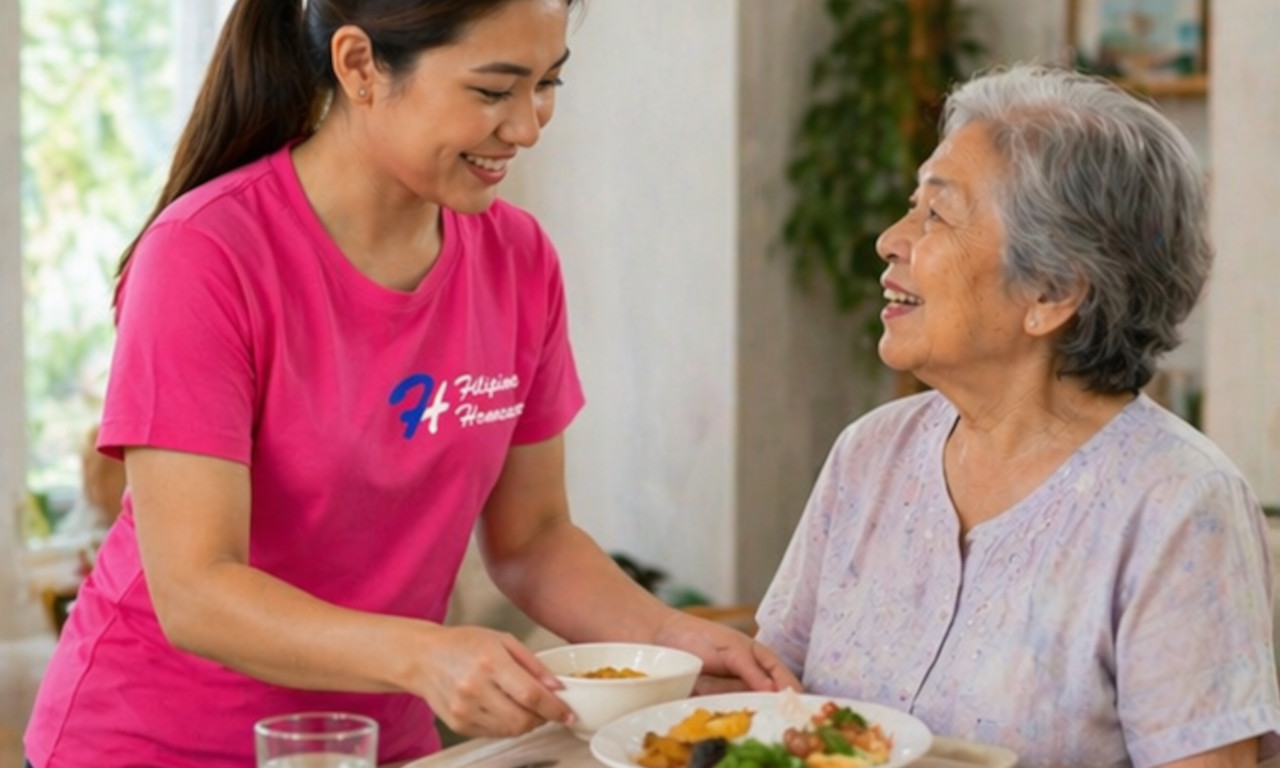
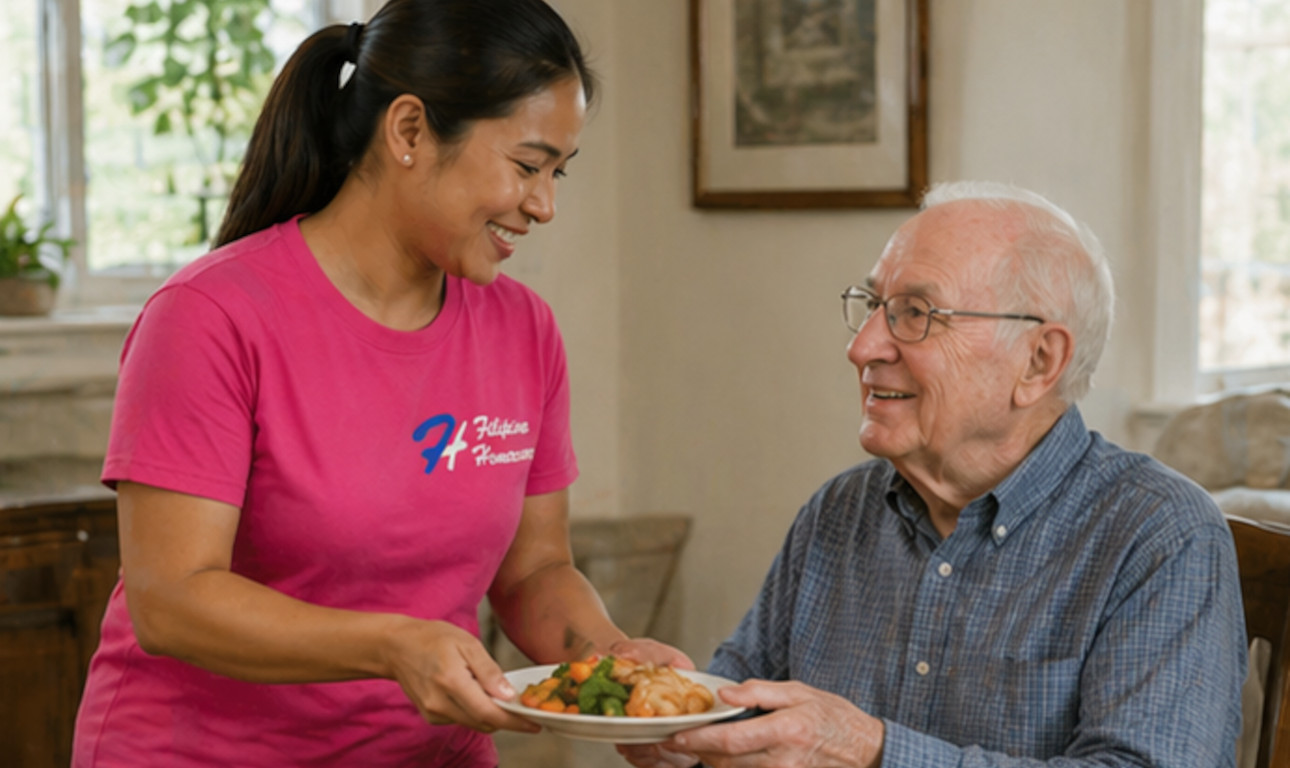
- Light Household Tasks: Caregivers can help with light tidying, organizing, laundry, and meal preparation – ensuring nutritious and comforting fall meals are enjoyed.
- Running Errands & Appointments: Assistance with grocery shopping, picking up prescriptions, or accompanying your loved one to medical appointments, making sure they navigate the autumn weather safely.
- Supervision & Safety: While not hands-on personal care, a companion caregiver provides a watchful presence, offering peace of mind, especially for seniors who might be prone to forgetfulness or need gentle reminders.
- Outdoor Activities: Enjoying a safe, supervised walk to admire the fall foliage, or a short trip to a local park before the snow falls, can significantly boost mood and well-being.
Who Benefits Most from Companion Care?
Companion care is ideal for seniors who:
- Are mostly independent but experience loneliness or social isolation.
- Are recovering from an illness or surgery and need light support during their recovery.
- Have early-stage dementia and benefit from structured engagement and supervision.
- Need assistance with household tasks and errands to maintain their home environment.
- Their family caregivers need respite care to take a much-deserved break.
Our compassionate Filipino caregivers bring not just companionship, but also the warmth of "malasakit" – a deeply ingrained cultural value of empathy and genuine concern for others. They become a trusted friend, bringing smiles and comfort into your loved one's home.
Understanding Personal Care: Supporting Daily Living
Now, consider a loved one who struggles with more fundamental daily tasks. Perhaps they have difficulty bathing, dressing, or moving safely around their home, especially as mobility can become more challenging with colder weather or increased fall risks from wet leaves or early ice. This level of need calls for personal care.
What is Personal Care?
Personal care involves hands-on assistance with Activities of Daily Living (ADLs). These are the essential tasks people need to perform for basic self-care and independent living.
- Bathing & Grooming: Assisting with showers, baths, hair care, oral hygiene, and getting dressed, maintaining dignity and personal hygiene.
- Mobility & Transfers: Helping with safe movement around the home, transferring from bed to chair, or using assistive devices to prevent falls – a critical concern as fall risks increase during autumn and winter.
- Toileting & Continence Care: Providing respectful assistance with using the restroom and managing incontinence.
- Medication Reminders: Ensuring medications are taken on time and correctly.
- Feeding Assistance: Supporting those who have difficulty eating independently.
- Specialized Care: This category also includes more specialized services such as dementia care, post-hospital support, nursing care, and palliative care, all delivered with professional expertise and sensitivity.
Who Benefits Most from Personal Care?
Personal care is essential for seniors who:
- Have physical limitations, chronic illnesses, or disabilities that impair their ability to perform ADLs.
- Are recovering from a serious injury, surgery, or illness and require temporary hands-on support.
- Are living with advanced dementia or other cognitive impairments that affect self-care.
- Are at a higher risk of falls and need direct assistance to move safely.
- Require assistance that goes beyond companionship, extending to intimate and hands-on support.
Our highly trained and professional Filipino caregivers approach personal care with the utmost respect for dignity and privacy. We understand the sensitivity involved and provide support that is both effective and comforting, ensuring your loved one feels safe and cared for.
The Overlap and Evolving Needs: A Holistic Approach
It's important to remember that care needs are rarely black and white. Many individuals benefit from a blend of both companion and personal care. For instance, a senior with dementia might need personal care for bathing and dressing, but also extensive companionship and engagement to manage cognitive decline and prevent isolation. Someone recovering from a hip surgery might need intensive personal care initially, which gradually transitions to more companionship as they regain independence.
Filipino Homecare offers a full spectrum of services, including overnight/24-hour care, respite care, and post-hospital support, ensuring that as needs evolve, our care plans adapt seamlessly. We also understand the complexities of Family Managed Home Care (FMHC) and can help families navigate this option to get the most comprehensive support.
Practical Tips for Determining Your Family's Needs
Feeling overwhelmed? Here are some practical steps you can take:
- Observe Daily Routines: Pay close attention to how your loved one manages their day. Are they eating regular meals? Is their home tidy? Do they seem isolated or withdrawn?
- Communicate Openly: Have an honest, empathetic conversation with your loved one. Ask about their challenges and what kind of support they feel they need or would welcome.
- Assess Physical & Cognitive Abilities: Are they struggling with balance, getting dressed, or remembering to take medications? Are there signs of cognitive decline?
- Consider Safety: Are there fall hazards in the home? Are they safe cooking alone? The increasing darkness and potential for slippery conditions in fall make safety even more paramount.
- Involve the Family: Discuss observations and concerns with other family members to get a complete picture.
- Seek Professional Guidance: The most crucial step. A professional assessment from a trusted home care agency can pinpoint specific needs and recommend the most suitable care plan.
The Filipino Homecare Difference: Compassion Across Ontario
At Filipino Homecare, we are more than just a home care agency; we are an extension of your family. We are proudly BBB accredited, reflecting our commitment to excellence and trustworthiness.
Our compassionate Filipino caregivers bring a unique blend of professional expertise and "malasakit" – a deep-seated cultural value that translates to heartfelt caring, empathy, and genuine concern for the well-being of others. This cultural sensitivity ensures that your loved one receives not just skilled care, but also warmth, respect, and understanding.
We are dedicated to serving families across all of Ontario, including key service areas like Hamilton, Burlington, Oakville, Mississauga, Toronto, Barrie, and Ottawa. No matter where you are in the province, we are here to provide exceptional care tailored to your family's unique situation.
You Are Not Alone – Let Us Help
Deciding between companion care and personal care is a significant step, and it’s one you don’t have to take alone. Filipino Homecare is here to support you and your loved one through every stage of their care journey. We offer free, no-obligation consultations to help you assess needs and explore the best options.
This fall, give your family the gift of peace of mind. Let our compassionate caregivers provide the support your loved one deserves, allowing them to remain safe, comfortable, and cherished in their own home.
Contact Filipino Homecare today for a free consultation. Call us at 905-929-7322 or visit our website at filipinohomecare.ca to learn more. We are here for you, across Ontario.
Compassionate Care for Your Loved One
Speak with our care coordinator to design a home care plan that fits your family.
Call 905-929-7322