Creating a Safe Home for Dementia: Your Fall Safety Guide

As the vibrant colours of fall paint the Ontario landscape, many families are preparing for colder weather and more time spent indoors. For those caring for a loved one with dementia, this seasonal shift brings an important reminder: the home environment must be a sanctuary of safety, especially as routines change and daylight hours shorten. At Filipino Homecare, we understand the unique challenges and deep love that drives families to seek the best for their aging parents and relatives. We're here to offer guidance, practical tips, and the compassionate support of our dedicated Filipino caregivers, infused with 'malasakit' – a heartfelt caring that goes beyond duty.
Dementia affects more than just memory; it can alter perception, judgment, and the ability to navigate familiar spaces safely. What was once a comfortable home can become a source of confusion or potential hazards. But you don't have to navigate this journey alone. Creating a safe, supportive home is a proactive step that can significantly enhance your loved one's quality of life and give you, the caregiver, much-needed peace of mind.
Understanding the Evolving Needs of Someone with Dementia
Imagine seeing your own home through a different lens. A patterned rug might appear as a hole, a reflective surface as water, or a shadow as an obstacle. These perceptual changes, coupled with impaired judgment, can turn everyday objects into risks. Falls, wandering, burns, and medication errors are common concerns. Our goal is to minimize these risks while maintaining a sense of familiarity, comfort, and dignity for your loved one.
Your Step-by-Step Guide to a Safer Home Environment This Fall
Here are practical steps you can take today to enhance safety, with a special consideration for the fall season in Ontario:
1. Prioritize Fall Prevention Indoors and Out
Falls are a leading cause of injury for individuals with dementia. As shorter fall days mean less natural light, and with the potential for slippery wet leaves or early frost outdoors, vigilance is key.
- Clear Pathways: Remove clutter, loose rugs, electrical cords, and low-lying furniture that could be tripping hazards. Ensure all pathways are wide and unobstructed.
- Ample Lighting: Install brighter light bulbs, especially in hallways, stairwells, and bathrooms. Use nightlights in bedrooms, bathrooms, and along routes to the bathroom. Consider motion-sensor lights in key areas.
- Stair Safety: If there are stairs, ensure they are well-lit and have sturdy handrails on both sides. Consider installing gates if stairs pose a significant wandering or falling risk.
- Outdoor Awareness: While the focus is indoors, if your loved one still enjoys supervised outdoor time, ensure walkways are clear of wet leaves, ice, or uneven surfaces.
2. Secure High-Risk Areas: Kitchen & Bathroom
These rooms present unique challenges due to water, heat, and sharp objects.
- Kitchen Safety: Store sharp knives, cleaning supplies, and small appliances out of reach or in locked cabinets. Consider childproof locks on stove knobs or unplugging appliances when not in use. Supervise cooking closely, or let our caregivers handle meal preparation, ensuring nutritious and safe meals.
- Bathroom Modifications: Install grab bars near the toilet and in the shower/tub. Use non-slip mats in the shower and on the bathroom floor. Set your water heater to a maximum of 120°F (49°C) to prevent scalding. Consider a shower chair or a raised toilet seat for added stability during personal care routines.
3. Implement Wandering Prevention Strategies
Wandering can be a serious concern, particularly as the weather cools and outdoor environments become less forgiving.
- Door and Window Alarms: Simple chimes or alarms can alert you if a door or window is opened.
- Secure Locks: Install locks that are difficult to operate or are placed out of sight (e.g., at the top or bottom of the door). Avoid deadbolts that require a key from the inside, as this could impede emergency exit.
- Disguise Exits: Sometimes, placing a curtain or screen over a door can make it less obvious as an exit.
- Identification: Ensure your loved one wears an ID bracelet or carries identification with emergency contact information.
4. Streamline Medication Management
Medication errors can have severe consequences. This is an area where professional support can be invaluable.
- Secure Storage: Keep all medications in a locked cabinet, out of sight and reach.
- Organized Schedule: Use a pill organizer. For complex medication regimens, consider professional nursing care or assistance to ensure medications are administered correctly and on time.
5. Simplify and Declutter for Cognitive Clarity
A chaotic environment can exacerbate confusion and agitation for someone with dementia.
- Reduce Clutter: Keep surfaces clear and minimize decorative items. Less visual clutter can help reduce overwhelm.
- Designate Spaces: Have a specific, easy-to-find place for frequently used items like glasses, keys, or remotes.
- Familiar Objects: While decluttering, retain familiar and comforting objects that can provide a sense of security and continuity.
How Filipino Homecare Provides Compassionate Support & Safety
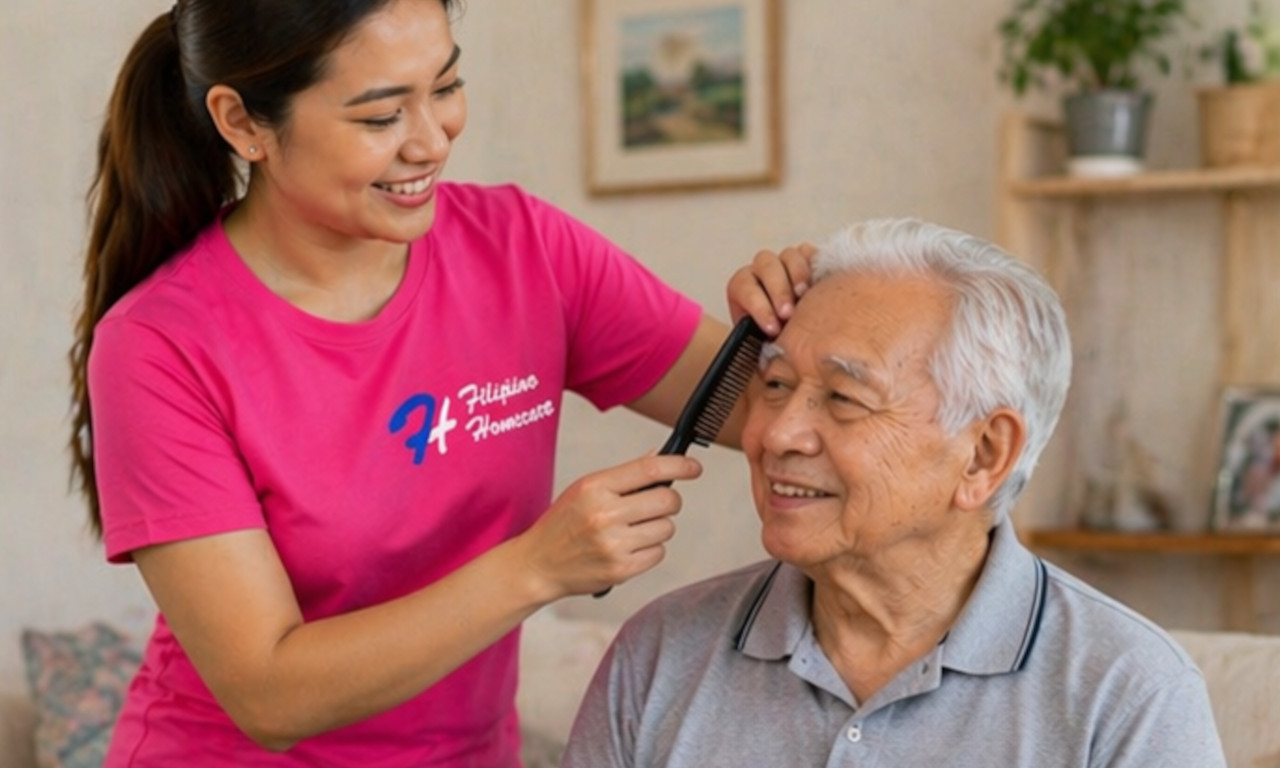
At Filipino Homecare, we understand that creating a safe home environment extends beyond physical modifications. It involves vigilant, compassionate care. Our BBB accredited agency is founded on the principle of 'malasakit' – a deep, empathetic concern for the well-being of others. Our dedicated Filipino caregivers bring this heartfelt caring into every home they serve, offering personalized support tailored to the unique needs of individuals with dementia.
We specialize in dementia care, with caregivers trained to understand the complexities of the disease. They can assist with:
- Personal Care: Ensuring safe hygiene routines in the bathroom.
- Companionship: Engaging your loved one in meaningful activities, reducing agitation, and providing constant supervision, especially important as seasonal changes can affect mood and routine.
- Meal Preparation: Safely preparing nutritious meals and snacks, adhering to dietary needs.
- Respite Care: Offering family caregivers a much-needed break, knowing their loved one is in safe, capable hands. This is especially vital during busy fall months or approaching holiday seasons.
- Overnight and 24-Hour Care: Providing continuous supervision to prevent wandering and ensure safety around the clock, offering unparalleled peace of mind.
- Post-Hospital Support: Assisting with a safe transition home after a hospital stay, minimizing risks in a potentially altered environment.
- Family Managed Home Care (FMHC): We work with families to utilize government funding effectively, providing flexible and responsive care solutions.
From Hamilton to Burlington, Oakville, Mississauga, Toronto, Barrie, Ottawa, and across all of Ontario, our caregivers are ready to provide expert, culturally sensitive care.
You Are Not Alone
Caring for a loved one with dementia is a profound act of love, but it can also be overwhelming. The changes required to ensure their safety may seem daunting, but every small step makes a difference. Remember, seeking professional help is a sign of strength, not weakness. Our Filipino caregivers are not just skilled professionals; they become an extension of your family, offering genuine warmth and reliable support.
Let us partner with you to create a home environment where your loved one can thrive safely and with dignity, surrounded by 'malasakit'.
Ready to explore compassionate, professional home care for your family?
Contact Filipino Homecare today for a free consultation. Call us at 905-929-7322 or visit filipinohomecare.ca.
Compassionate Care for Your Loved One
Speak with our care coordinator to design a home care plan that fits your family.
Call 905-929-7322