Dementia Care: Communication Tips for Ontario Families
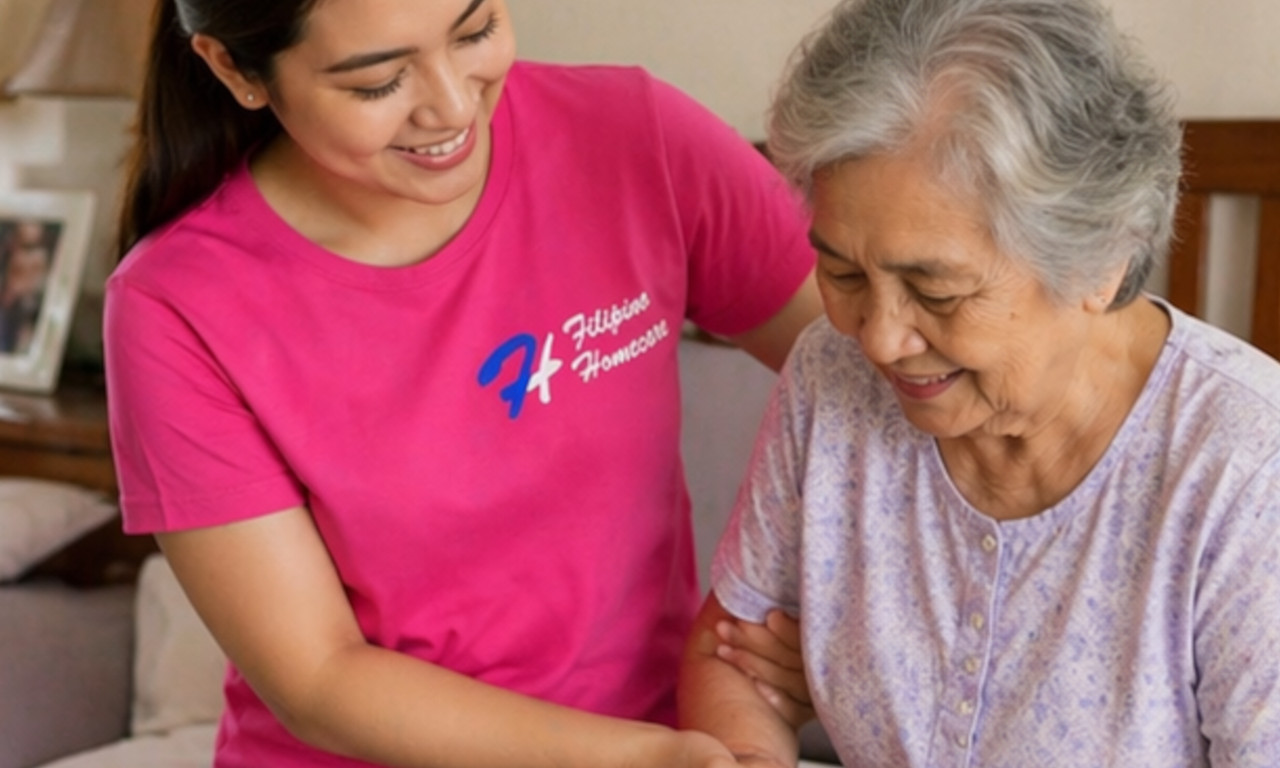
As the vibrant hues of fall paint the Ontario landscape, we're reminded of beauty in change, but also the subtle shifts that life brings. For families caring for a loved one with dementia, these changes can often present unique communication challenges. At Filipino Homecare, we understand that nurturing connection and understanding is paramount, even as memory fades. It’s a journey that requires not just patience, but also specific strategies rooted in empathy and heartfelt caring – what we call “malasakit.”
Many families across Hamilton, Burlington, Oakville, Mississauga, Toronto, Barrie, Ottawa, and all of Ontario grapple with how best to communicate with someone living with dementia. It can be frustrating, confusing, and sometimes heartbreaking. But you are not alone. Our BBB accredited team of compassionate Filipino caregivers is here to share practical, reassuring tips to help you foster meaningful interactions and enhance your loved one's quality of life.
Understanding the World of Dementia: A Different Perspective
Dementia affects everyone differently, but a common thread is the impact on cognitive abilities, including language, memory, and reasoning. This doesn't mean communication ceases; it simply transforms. Your loved one isn't intentionally difficult; they are navigating a world that makes less sense to them. Our goal, and the approach our caregivers embrace, is to step into their reality, offering validation and comfort rather than correction.
The Heart of Malasakit: Empathy in Every Interaction
At Filipino Homecare, “malasakit” is more than just a word; it’s the guiding principle behind our culturally sensitive care. It means heartfelt compassion, a deep sense of caring and concern for another's well-being. This philosophy is especially vital when communicating with individuals living with dementia, as it encourages us to connect on an emotional level, even when words fail.
Practical Communication Tips for Caregivers and Families
Here are actionable strategies our experienced caregivers use daily to connect with and support individuals with dementia:
1. Speak Clearly, Slowly, and Simply
- Use Short Sentences: Break down complex ideas into simple, one-step instructions or questions.
- Be Patient: Allow plenty of time for your loved one to process what you've said and formulate a response. Avoid rushing or interrupting.
- Maintain Eye Contact: Get to their eye level and make direct, gentle eye contact to show you are engaged and listening.
2. Focus on Non-Verbal Communication
- Body Language Matters: Your posture, facial expressions, and gestures convey more than words. A warm smile, an open stance, and a gentle touch can communicate reassurance.
- Use Touch Appropriately: A reassuring hand on their arm or shoulder, if welcomed, can convey comfort and connection, especially during personal care tasks or moments of confusion.
- Observe Their Cues: Pay attention to their non-verbal signals. Are they tense? Relaxed? These cues can tell you how they are feeling, even if they can't articulate it.
3. Validate Feelings, Don't Correct Facts
- Enter Their Reality: If your loved one believes it's 1970 or talks about a deceased relative as if they are present, try not to correct them. Instead, respond to the emotion behind their words.
- “It Sounds Like You Miss Them”: Acknowledge their feelings. For instance, if they ask for their mother who passed away years ago, instead of saying “She’s gone,” you might say, “It sounds like you miss your mother very much. Tell me about her.”
- Redirect Gently: If a conversation becomes distressing or repetitive, gently redirect their attention to a pleasant activity or topic, perhaps recalling fond memories of earlier falls or family gatherings.
4. Create a Positive and Calming Environment
- Reduce Distractions: Turn off the TV or radio when trying to communicate. A calm, quiet setting helps focus.
- Establish Routines: Predictable routines, like regular meal prep or personal care schedules, can reduce anxiety and make communication easier. Our caregivers excel at establishing comforting routines for personal care, companionship, and daily activities.
- Incorporate Familiarity: Surround them with familiar objects, photos, or even seasonal decorations – perhaps some colorful fall leaves – to create a sense of security and opportunities for reminiscing.
5. Engage Through Activities and Memories
- Reminiscence Therapy: Look at old photo albums together. Discuss family history or past events. This can be a wonderful way to connect and evoke positive emotions, even if specific details are forgotten.
- Simple Activities: Engage in simple, enjoyable activities like listening to familiar music, gentle walks (especially important in fall to prevent winter fall risks), or helping with light meal prep. These shared experiences provide opportunities for non-verbal communication and connection.
6. Be Prepared for Changing Needs
Dementia is progressive, and communication needs will evolve. What works today might need adjustment tomorrow. Our caregivers are trained to adapt their approach, providing consistent and compassionate support through all stages. This adaptability is key in services like overnight/24-hour care, where continuous observation and flexible communication are vital.
How Filipino Homecare Can Support Your Family
At Filipino Homecare, we understand the immense stress and worry that families experience when caring for a loved one with dementia. Our mission is to alleviate that burden by providing exceptional, culturally sensitive in-home care across all of Ontario. Our compassionate Filipino caregivers bring not just professional skills, but also the inherent “malasakit” that makes a profound difference.
We offer a full spectrum of services designed to support both your loved one and your family:
- Specialized Dementia Care: Our caregivers are trained in effective communication techniques and dementia care strategies, ensuring a supportive and engaging environment.
- Personal Care: Assistance with bathing, dressing, and grooming, always handled with dignity and clear, gentle communication.
- Companionship: Especially valuable during the shorter days of fall and impending winter, our caregivers provide meaningful engagement, reducing feelings of loneliness and isolation.
- Respite Care: We provide much-needed breaks for family caregivers, allowing you to rest and recharge, knowing your loved one is in capable, caring hands.
- Overnight & 24-Hour Care: For continuous support and peace of mind.
- Post-Hospital Support: Smooth transitions home with clear instructions and consistent care.
- Meal Preparation: Nutritious meals tailored to dietary needs, often involving the client in simple ways to foster engagement.
- Nursing Care: Professional medical support as needed.
- Palliative Care: Compassionate end-of-life support, focusing on comfort and dignity.
- Family Managed Home Care (FMHC): We work with you to maximize your funding for personalized care.
You don't have to navigate this journey alone. Let us bring comfort, understanding, and compassionate care to your home. Our team is ready to serve families in Hamilton, Burlington, Oakville, Mississauga, Toronto, Barrie, Ottawa, and beyond, offering the peace of mind you deserve.
This fall, as you gather with family for Thanksgiving, remember that connection is a profound gift. Let Filipino Homecare help you nurture that connection with your loved one living with dementia, making every interaction count.
Ready to find compassionate support for your family?
Contact Filipino Homecare today to learn more about our services and how we can tailor a care plan to meet your unique needs. Call us at 905-929-7322 or visit our website at filipinohomecare.ca.
Compassionate Care for Your Loved One
Speak with our care coordinator to design a home care plan that fits your family.
Call 905-929-7322