Navigating Government-Funded Home Care Programs in Ontario

As spring breathes new life into Ontario, bringing with it a sense of renewal and fresh possibilities, many families are also taking stock of their loved ones' well-being. Perhaps you've noticed your aging parent struggling a bit more after the long winter, or a recent hospital stay has highlighted the need for more consistent support at home. The thought of ensuring comfort, safety, and dignity for those we cherish can be daunting, especially when trying to understand the financial implications.
At Filipino Homecare, we understand these concerns deeply. We know that navigating the landscape of home care options, particularly government-funded programs, can feel like a complex maze. You’re not alone in feeling stressed or worried; many families find themselves in this very position. Our goal with this guide is to demystify Ontario's government-funded home care programs, explain how they work, and show you how Filipino Homecare can be a vital partner in providing the compassionate, culturally sensitive care your family deserves, whether independently or as a complement to public services.
Understanding Ontario's Home Care Landscape
In Ontario, the provincial government provides funding for a range of home and community care services, designed to help seniors and individuals with health needs live independently in their own homes for as long as possible. These services are managed and delivered through Home and Community Care Support Services (HCCSS), formerly known as Local Health Integration Networks (LHINs). HCCSS acts as the main point of access for publicly funded home care.
Who is Eligible for Government-Funded Home Care?
Eligibility for government-funded home care is based on a professional assessment of an individual's health needs and functional abilities. Generally, to qualify, a person must:
- Be an Ontario resident with a valid OHIP card.
- Require health care services or support with daily living activities due to illness, disability, or age.
- Have needs that can be safely and effectively met in their home environment.
The assessment process considers various factors, including medical conditions, cognitive abilities (relevant for dementia care needs), and the level of assistance required for personal care, medication management, and other daily tasks.
How to Access Government-Funded Home Care
The first step to accessing government-funded home care is to contact your local Home and Community Care Support Services (HCCSS) branch. You can find your local branch by visiting their website or calling their main number. Here's a general outline of the process:
- Referral: You can self-refer, or a doctor, hospital, or another health care professional can make a referral on your behalf.
- Assessment: A Care Coordinator from HCCSS will conduct a comprehensive in-home assessment. This assessment will evaluate the individual's physical, cognitive, and social needs, as well as their living environment.
- Care Plan Development: Based on the assessment, the Care Coordinator will develop a personalized care plan, outlining the specific services to be provided and the frequency.
- Service Coordination: HCCSS will then arrange for approved services to be delivered by their contracted service providers.
What Services Are Covered by Government Funding?
Government-funded home care typically covers essential services aimed at maintaining health and independence. These may include:
- Nursing Care: Skilled nursing services such as wound care, medication administration, and monitoring of vital signs.
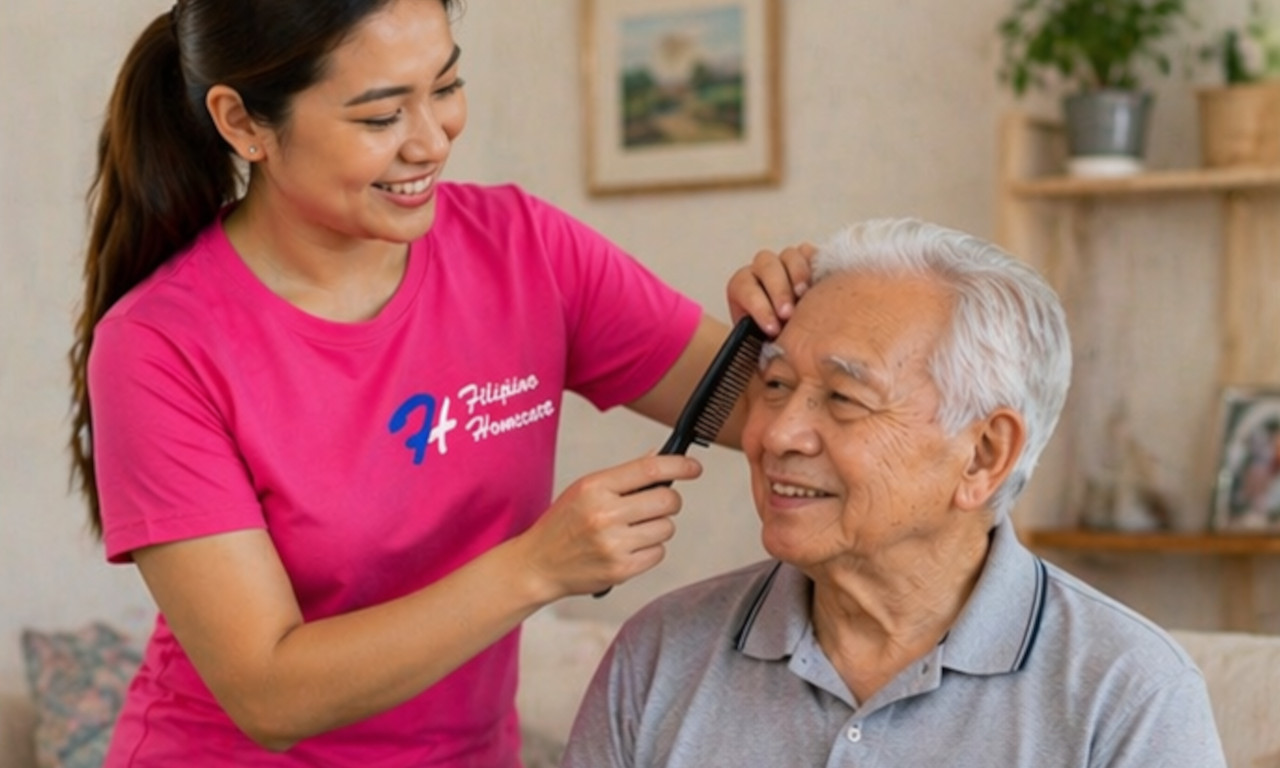
- Personal Care: Assistance with daily activities like bathing, dressing, grooming, and toileting.
- Therapies: Physiotherapy, occupational therapy, and speech-language pathology services.
- Homemaking: Limited assistance with light housekeeping, meal preparation, and grocery shopping.
- Respite Care: Short-term relief for family caregivers (though often limited in scope).
- Palliative Care: Services designed to improve the quality of life for individuals with life-limiting illnesses and their families.
It's important to understand that while these services are invaluable, they often come with limitations on the number of hours or specific tasks covered. This is where private care providers like Filipino Homecare can seamlessly step in to bridge any gaps.
Exploring Family Managed Home Care (FMHC)
A particularly important program for many families is the Family Managed Home Care (FMHC) option, offered through HCCSS. FMHC empowers eligible individuals and families to directly manage their home care funding and choose their own care providers. Instead of HCCSS assigning a service provider, you receive funds to hire and manage caregivers who best meet your family's unique needs and preferences.
This program offers significant flexibility and choice, allowing families to:
- Select caregivers based on language, cultural background, and specific skills.
- Set schedules that work best for their family.
- Have greater control over the care provided.
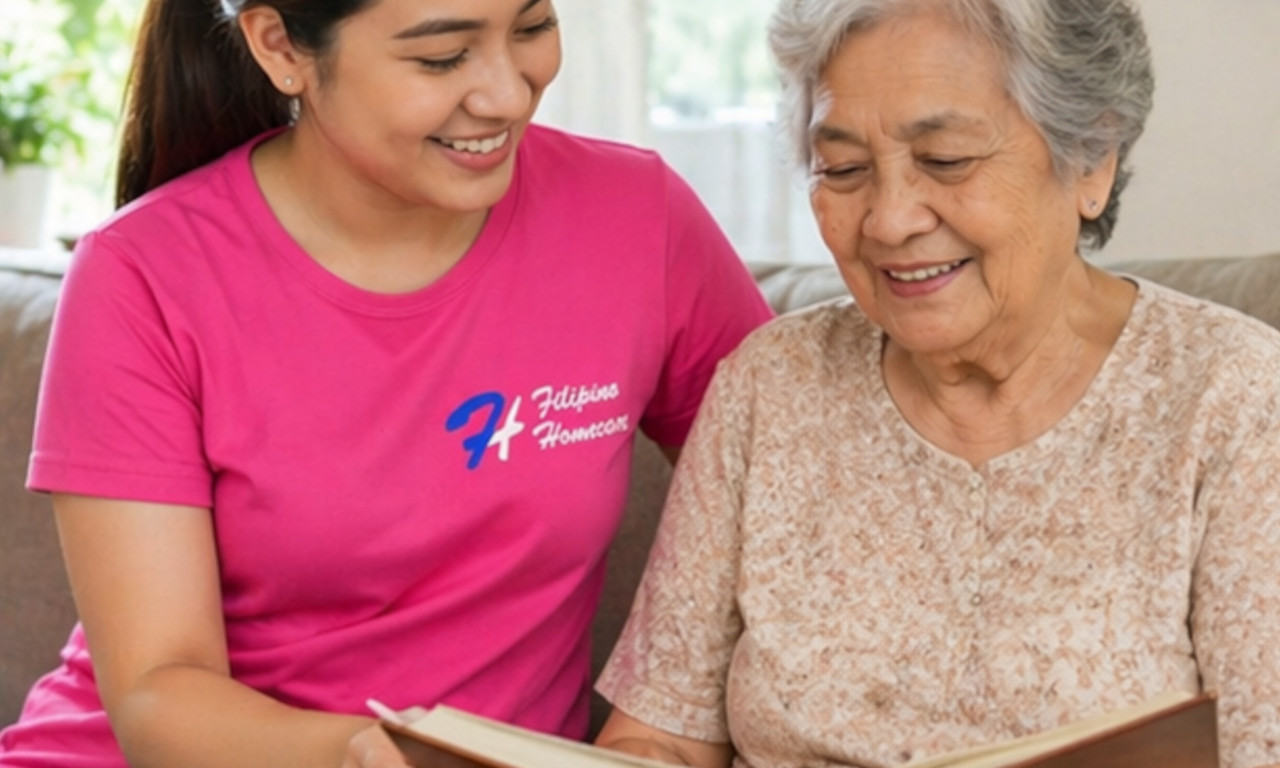
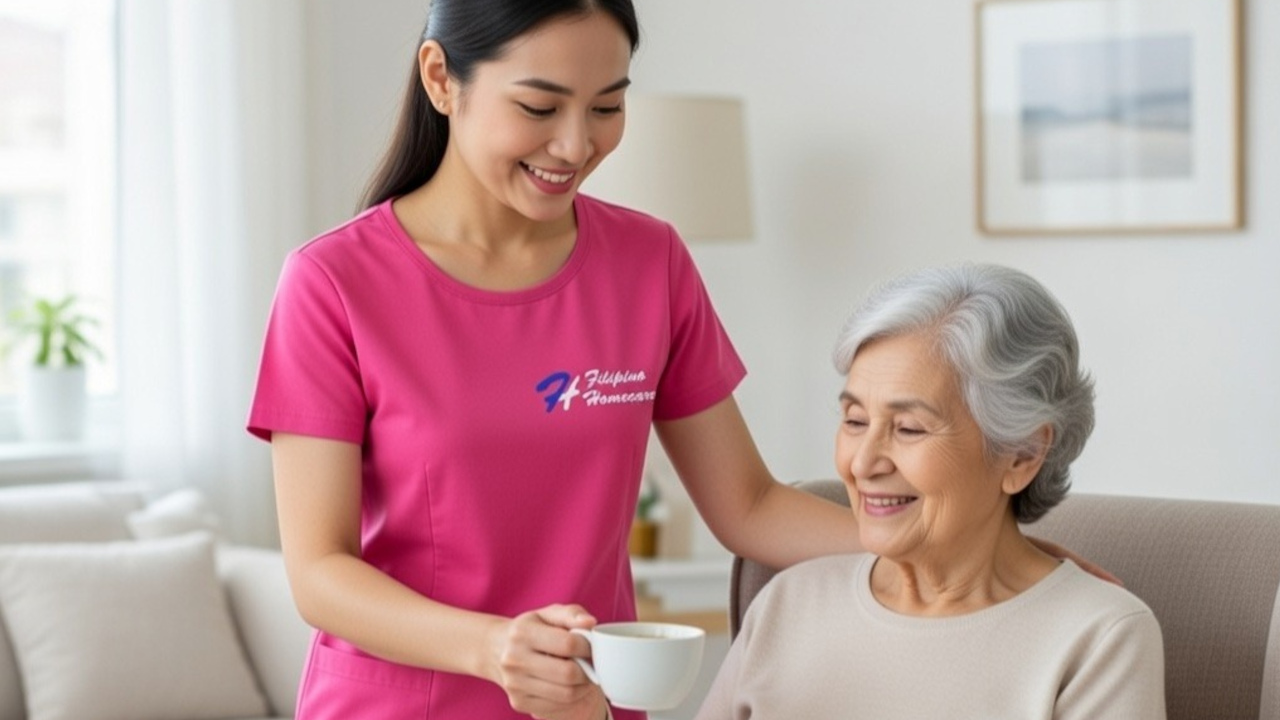
Filipino Homecare is an ideal partner for families utilizing FMHC. Our compassionate Filipino caregivers bring not only professional expertise but also the deep-rooted cultural value of malasakit – heartfelt care and genuine concern. This means going beyond tasks to build meaningful relationships, providing comfort, and truly understanding the individual needs of your loved one.
The Reality of Government-Funded Care & Why Filipino Homecare Complements It
While government-funded home care is a vital resource, families often face challenges such as:
- Wait Times: Especially for non-urgent services, there can be significant wait times, which can be critical when immediate support is needed.
- Limited Hours: The number of hours approved for care might not fully meet the individual's needs, particularly for those requiring extensive or overnight/24-hour care.
- Less Choice: Families typically have limited input on who provides the care, which can be challenging if specific cultural or language preferences are important.
This is precisely where Filipino Homecare shines as a trusted, BBB accredited partner. We work hand-in-hand with families, complementing government-funded services to ensure comprehensive, uninterrupted, and culturally sensitive care. For instance, if government funding covers a few hours of personal care, Filipino Homecare can provide additional companionship, specialized dementia care, post-hospital support, or meal preparation, ensuring your loved one receives consistent, holistic support.
Why Choose Filipino Homecare? Your Partner in Compassionate Care
At Filipino Homecare, we are dedicated to providing the highest standard of in-home care across Ontario, from Hamilton, Burlington, Oakville, and Mississauga to Toronto, Barrie, Ottawa, and communities in between. We understand that finding the right caregiver is paramount, and we pride ourselves on offering:
- Compassionate Filipino Caregivers: Our caregivers are not just skilled professionals; they embody the spirit of malasakit – a deep sense of empathy, kindness, and heartfelt care. This cultural sensitivity ensures your loved one receives respectful and understanding support.
- Comprehensive Services: We offer a wide range of services tailored to your family's needs, including personal care, companionship, specialized dementia care, respite care, overnight/24-hour care, post-hospital support, meal preparation, and even private nursing care and palliative care support.
- Flexibility and Reliability: Whether you need a few hours of support, daily visits, or around-the-clock care, we customize our services to fit your schedule and evolving needs.
- Trusted and Accredited: Filipino Homecare is proudly BBB accredited, reflecting our commitment to transparent, ethical, and high-quality service.
Practical Tips for Families Seeking Home Care
As you navigate these important decisions, here are some practical tips to help you right away:
- Start Early: Don't wait until a crisis point. Begin researching options and understanding eligibility criteria now, especially as the warmer spring weather encourages more outdoor activity and potential for new care needs.
- Document Everything: Keep detailed records of your loved one's medical history, current needs, medications, and any previous care received. This information will be invaluable during assessments.
- Ask Questions: Don't hesitate to ask your HCCSS Care Coordinator about all available programs, including Family Managed Home Care, and what services are covered.
- Consider a Hybrid Approach: Many families find the best solution is a combination of government-funded services for essential needs and private care from an agency like Filipino Homecare for supplementary support, increased hours, or specialized, culturally sensitive care.
- Lean on Support Systems: Connect with family, friends, and community groups. You don't have to carry this burden alone.
We know that making care decisions for a loved one is one of the most significant challenges a family can face. It's a journey filled with emotions, questions, and the desire to do what's best. Rest assured, there are solutions available, and you have compassionate partners ready to help.
At Filipino Homecare, we believe every individual deserves to age with dignity and comfort in their own home. We are here to lighten your load, offering peace of mind through exceptional care delivered with malasakit.
Ready to Explore Your Home Care Options?
Don't let the complexities of government programs deter you from getting the support your family needs. We invite you to reach out to Filipino Homecare today. We're here to answer your questions, explain how our services can integrate with or complement government funding, and help you create a personalized care plan for your loved one.
Give us a call at 905-929-7322 or visit us online at filipinohomecare.ca. Let us be your trusted partner in providing the compassionate care that truly feels like family.
Compassionate Care for Your Loved One
Speak with our care coordinator to design a home care plan that fits your family.
Call 905-929-7322