Home Care vs. Retirement Homes: A Guide for Ontario Families

As the vibrant colours of spring begin to emerge across Ontario, bringing with them a renewed sense of energy and possibility, many families find themselves at a crossroads. The question often arises: how can we best support our aging parents and loved ones? The choice between home care and a retirement home is one of the most significant decisions you’ll make, filled with emotional considerations, practicalities, and financial implications. It’s a decision born out of love and a desire to ensure comfort, safety, and dignity.
At Filipino Homecare, we understand these complex emotions. We know that families seeking senior care in Ontario are often stressed, worried, and looking for clear, compassionate guidance. Our mission is to provide just that – alongside exceptional, culturally sensitive in-home care. We believe that with the right information and support, you can make the best choice for your unique family situation.
Understanding Your Options for Senior Care in Ontario
Before diving into the pros and cons, let's briefly define these two primary paths for senior living and care.
What is Home Care?
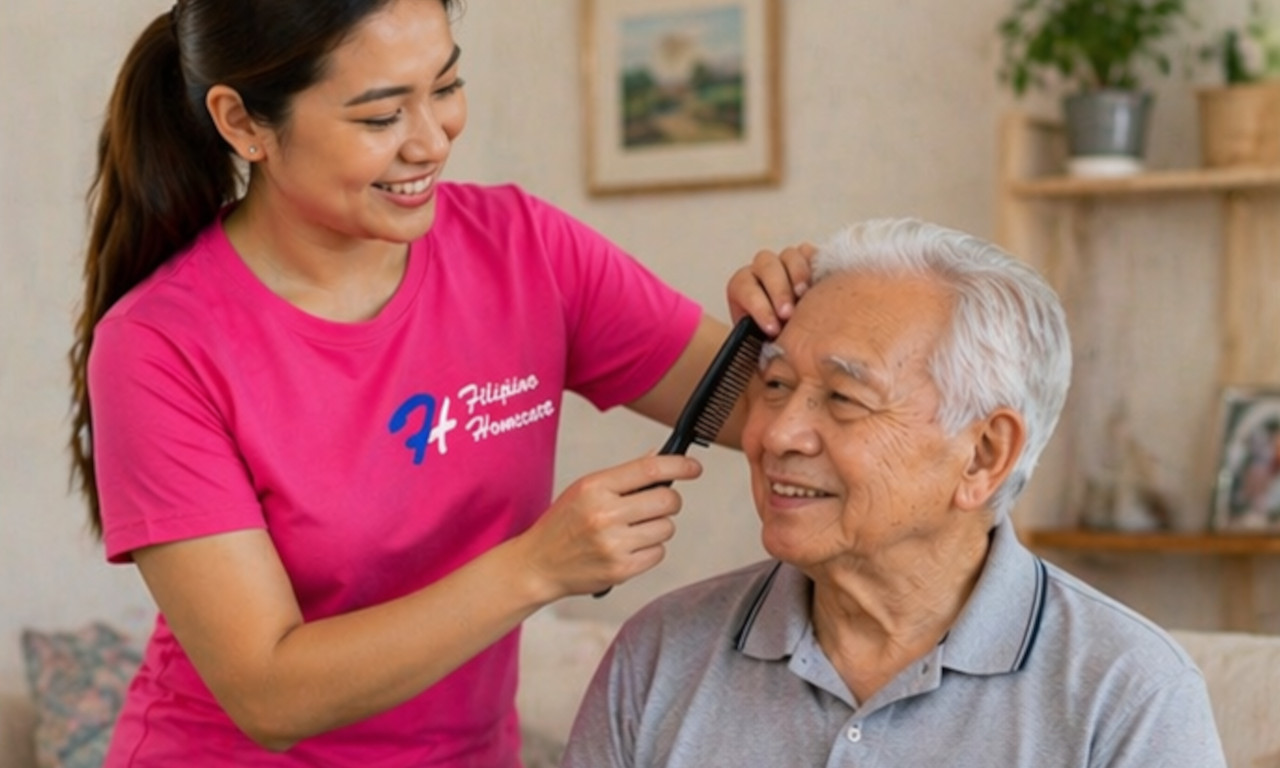
Home care, or in-home care, allows seniors to receive personalized support and medical services right in the comfort and familiarity of their own home. It’s about bringing care to the individual, rather than moving the individual to care. This can range from a few hours a week of companionship or personal care to overnight or 24-hour care for more intensive needs.
What is a Retirement Home?
A retirement home is a residential facility designed for seniors who can largely live independently but may benefit from services such as prepared meals, housekeeping, and social activities. They often offer different levels of care, from independent living to assisted living, where residents receive more hands-on support with daily tasks. These facilities provide a communal living environment.
Home Care: Pros and Cons for Ontario Families
For many seniors and their families in Hamilton, Burlington, Oakville, Mississauga, Toronto, Barrie, Ottawa, and across Ontario, the idea of aging in place holds immense appeal. Let's explore why.
Pros of Home Care
- Familiar Comfort and Independence: There's no place like home. Staying in a familiar environment preserves routines, memories, and a strong sense of independence. Imagine your loved one enjoying the fresh spring air from their own patio, tending to a small garden, or simply watching the birds outside their favourite window – experiences that are deeply personal and comforting.
- Personalized, One-on-One Care: With home care, your loved one receives undivided attention. Our compassionate Filipino caregivers provide truly personalized support, whether it's personal care, companionship, dementia care, or post-hospital support. This tailored approach means care is precisely matched to their needs and preferences.
- Flexibility and Control: Care schedules are built around your loved one’s life, not the other way around. From meal prep to social outings, they retain control over their daily choices.
- Cost-Effectiveness (Often): For many levels of care, especially for those who don't require 24/7 intensive supervision, home care can be more cost-effective than a retirement home. Additionally, programs like Family Managed Home Care (FMHC) in Ontario can empower families with more control over their care budget.
- Emotional Well-being and
Malasakit
: Our caregivers bring not just professional skills, but alsomalasakit
– a Filipino value of heartfelt caring and genuine concern. This culturally sensitive approach fosters deep connections, combats loneliness, and enhances emotional well-being, especially during times like the holidays or any season where social interaction is vital. - Safety and Reduced Exposure: In a post-pandemic world, staying home can significantly reduce exposure to communal illnesses, a particular concern during flu season or the colder winter months when large gatherings are common.
Cons of Home Care
- Requires Family Involvement: While professional caregivers handle daily tasks, families often remain responsible for coordinating care, managing finances, and making long-term decisions.
- Potential for Isolation: If companionship isn't a priority in the care plan, seniors can still experience loneliness. However, a good home care agency like Filipino Homecare proactively addresses this with engaging companionship services.
- Home Modifications: Depending on needs, the home may require modifications for accessibility and safety, such as grab bars or ramp installations.
- Higher Cost for Intensive 24/7 Care: While often more affordable, continuous 24-hour nursing care or supervision can become more expensive than a facility.
Retirement Homes: Pros and Cons for Ontario Families
For some seniors, the communal living and structured environment of a retirement home offer distinct advantages. Let's examine these.
Pros of Retirement Homes
- Built-in Community and Social Activities: Retirement homes offer immediate opportunities for social engagement, with planned activities and common areas that can foster new friendships and reduce isolation.
- 24/7 Supervision and Emergency Response: Many facilities provide around-the-clock staffing, ensuring help is readily available in case of an emergency, offering peace of mind to families.
- No Home Maintenance Worries: Seniors are freed from the responsibilities of home upkeep, gardening, and repairs, allowing them to enjoy their golden years more fully.
- Structured Environment and Amenities: Meals are typically provided, and many facilities offer amenities like fitness centres, libraries, and transportation services.
- Seamless Transition for Increasing Needs: Facilities often have different levels of care, allowing residents to transition from independent living to assisted living or even memory care without another major move.
Cons of Retirement Homes
- Loss of Independence and Privacy: Moving to a facility often means adhering to set schedules for meals and activities, and living in a smaller, less personal space.
- Less Personalized Care: Caregiver-to-resident ratios are typically higher than in home care, meaning less one-on-one attention and potentially less flexibility in daily routines.
- Significant Cost: Retirement homes can be very expensive, especially for higher levels of care, and costs can increase over time.
- Moving Stress and Adjustment: Relocating from a cherished home can be incredibly stressful and emotionally challenging for seniors, impacting their well-being and sense of belonging.
- Potential for Feeling
Lost in the Crowd
: Despite communal living, some seniors may feel overlooked or isolated in a larger facility, particularly if their personality doesn't align with the community's culture. - Exposure to Illness: Communal living can increase the risk of exposure to colds, flu, and other contagious illnesses, especially during peak seasons like autumn and winter.
Making the Right Choice for Your Ontario Family
This decision is deeply personal, and there's no single
Compassionate Care for Your Loved One
Speak with our care coordinator to design a home care plan that fits your family.
Call 905-929-7322