PSW vs Nursing Care: What Your Ontario Family Needs
As the warm Ontario summer encourages us to enjoy more time outdoors and cherish moments with family, many adult children find themselves balancing these joys with the growing needs of aging parents. The desire to keep loved ones safe, comfortable, and independent in their own homes is strong, but understanding the right type of support can feel like navigating a maze. At Filipino Homecare, we understand these concerns deeply. We're here to help you unravel one of the most common questions families ask: What's the difference between Personal Support Worker (PSW) care and nursing care at home?
You're not alone in seeking clarity. Many families across Hamilton, Burlington, Oakville, Mississauga, Toronto, Barrie, Ottawa, and indeed, all of Ontario, face this crucial decision. Our goal is to provide you with the information you need, delivered with the same warmth and 'malasakit' (heartfelt caring) that defines our compassionate Filipino caregivers.
Understanding Personal Support Worker (PSW) Care at Home
Personal Support Workers (PSWs) are the backbone of non-medical home care. They play a vital role in helping individuals maintain their independence and quality of life by assisting with activities of daily living (ADLs).
What a PSW Does:
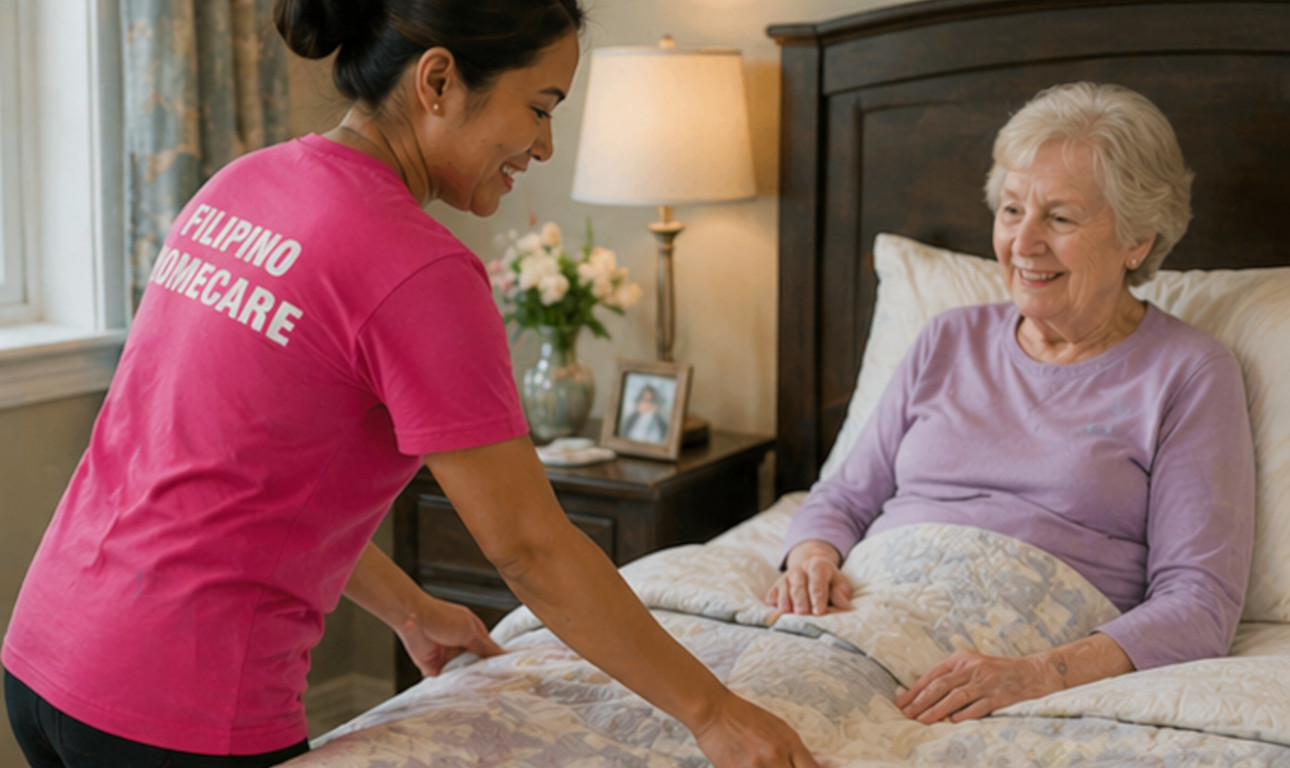
- Personal Care: Assisting with bathing, dressing, grooming, toileting, and mobility. Imagine a PSW gently helping your loved one get ready for a lovely summer day, ensuring they're comfortable and feel their best.
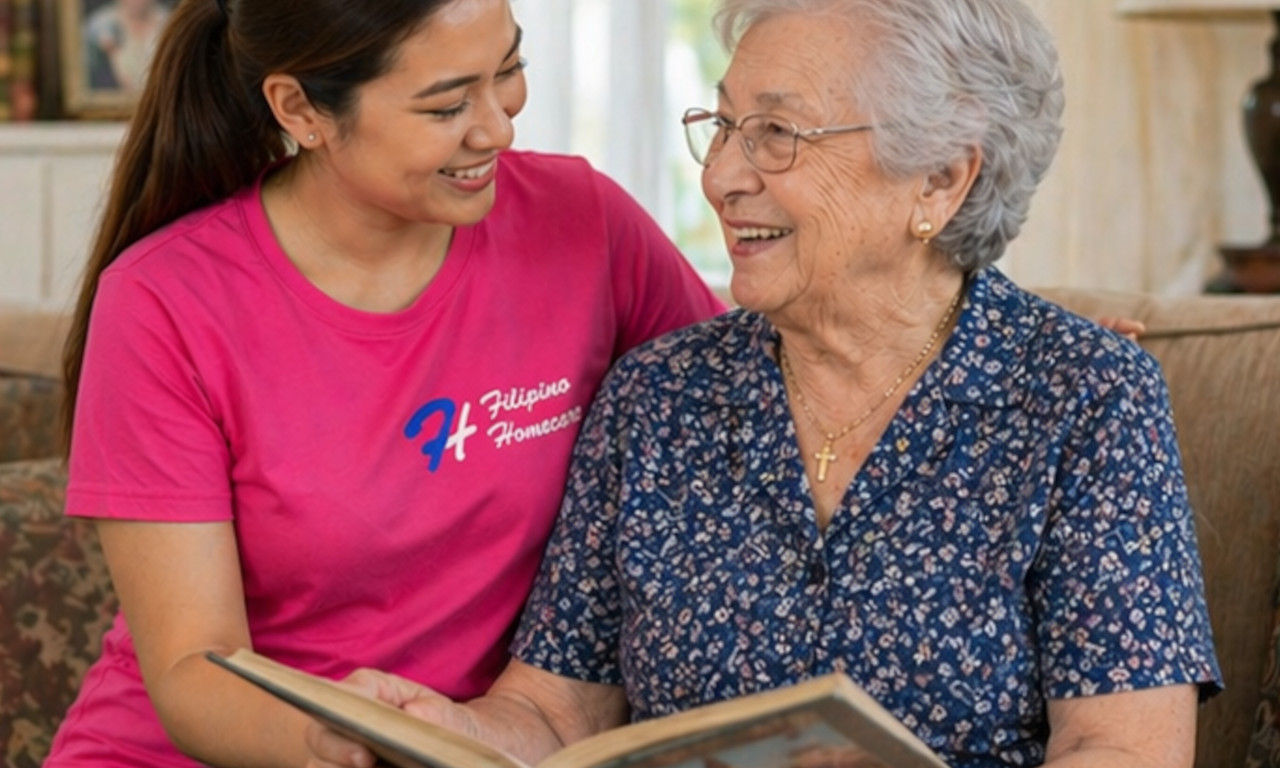
- Companionship: Engaging in meaningful conversations, reading, playing games, or simply being a reassuring presence. This is particularly important during the summer months when social activities might be more frequent, but travel can be challenging for seniors. Our caregivers offer genuine companionship, combating loneliness.
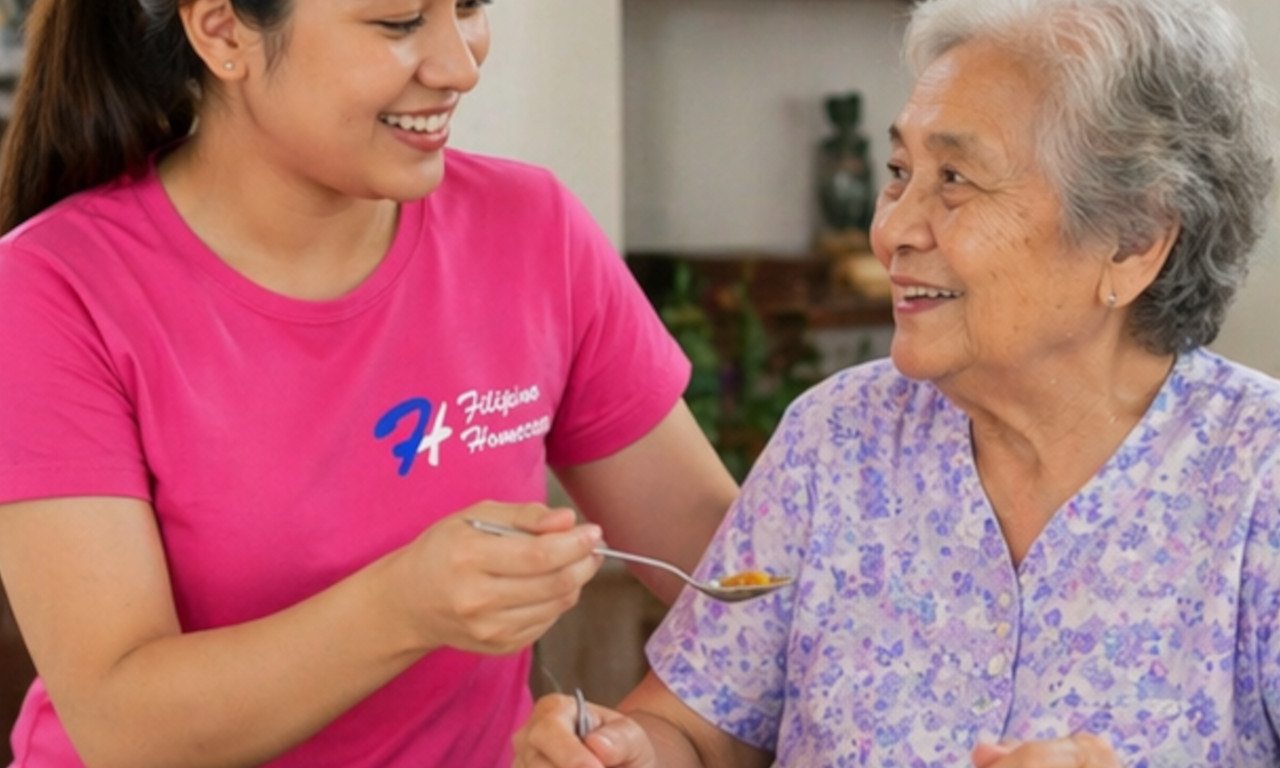
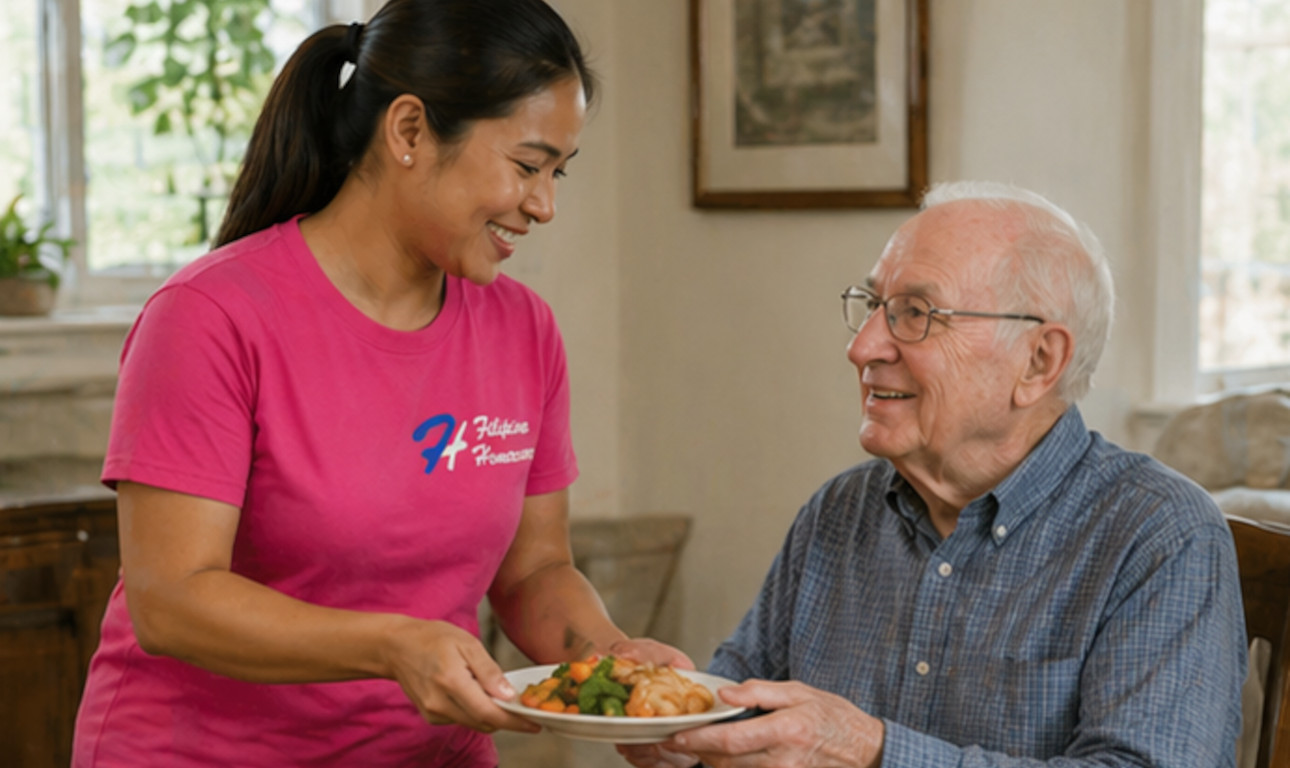
- Meal Preparation: Planning and preparing nutritious meals, ensuring dietary needs are met. This could include light, refreshing summer meals that promote hydration.
- Medication Reminders: Ensuring medications are taken on time, as prescribed.
- Light Housekeeping: Maintaining a clean and tidy living environment, helping to ensure a comfortable and safe home, especially during the warmer months when keeping spaces fresh is key.
- Errands and Appointments: Providing transportation or accompaniment to doctor's appointments, grocery shopping, or community outings.
- Dementia Care Support: Offering specialized support for individuals living with dementia, including engaging activities and maintaining routines in a familiar environment.
- Respite Care: Giving family caregivers a much-needed break, allowing them to recharge knowing their loved one is in capable, caring hands.
Our Filipino caregivers bring an extra layer of warmth and cultural sensitivity to PSW care. They understand the nuances of family dynamics and traditions, providing care that feels truly like an extension of your own family.
Understanding Nursing Care at Home
Nursing care at home, provided by Registered Nurses (RNs) or Registered Practical Nurses (RPNs), focuses on medical needs that require professional clinical expertise. This level of care is often crucial for recovery from illness or injury, managing chronic conditions, or providing palliative support.
What a Nurse Does:
- Medication Administration: Administering injections, managing complex medication schedules, and monitoring for side effects.
- Wound Care: Professional assessment, cleaning, and dressing of wounds to promote healing and prevent infection.
- Disease Management: Monitoring vital signs, blood sugar levels, and other health indicators for chronic conditions like diabetes, heart disease, or COPD. This proactive monitoring is vital, especially when summer heat can exacerbate certain health conditions.
- Post-Hospital Support: Providing skilled care following a hospital stay, ensuring a smooth transition home and preventing re-admission.
- Palliative Care: Offering compassionate medical support and comfort for individuals with life-limiting illnesses, focusing on pain management and improving quality of life.
- Catheter Care and Ostomy Management: Specialized care for medical devices.
- Health Education: Educating clients and families about their condition, medications, and self-care techniques.
Nursing care at home ensures that complex medical needs are met with professionalism and precision, all within the comfort and familiarity of your loved one's home.
Key Differences Between PSW and Nursing Care
The primary distinction lies in the scope of practice and the level of medical expertise required:
- PSW Care: Focuses on non-medical, personal support, and companionship – helping with daily living activities.
- Nursing Care: Focuses on medical tasks, clinical assessments, and managing health conditions that require a licensed healthcare professional.
Think of it this way: a PSW helps your loved one get dressed and prepares a hydrating summer smoothie, while a nurse assesses a new skin rash or administers a necessary injection.
When Do You Need Which? (Or Both?)
The choice between PSW and nursing care, or often a combination of both, depends entirely on your loved one's specific needs:
- Choose PSW Care if: Your loved one needs assistance with personal care, mobility, meal preparation, companionship, light housekeeping, or medication reminders, but has no complex medical needs requiring a licensed nurse. This is ideal for maintaining independence and quality of life.
- Choose Nursing Care if: Your loved one requires skilled medical interventions such as wound care, injections, complex medication management, vital sign monitoring, or specialized chronic disease management. This is often necessary post-surgery, during an acute illness, or for palliative support.
- Consider Both if: Many individuals benefit from a blended approach. For example, a PSW can provide daily personal care and companionship, while a nurse visits periodically for medical tasks like wound checks or medication refills. This ensures comprehensive, holistic care.
The Filipino Homecare Difference: Compassion, Culture, and Quality
At Filipino Homecare, we pride ourselves on delivering exceptional, person-centred care across Ontario. Our approach is rooted in 'malasakit' – a deep, empathetic concern for the well-being of others. This isn't just a service; it's a heartfelt commitment.
- Compassionate Filipino Caregivers: Our team is renowned for their warmth, respect, and dedication. They become trusted companions, understanding not just physical needs but emotional and cultural ones too.
- Culturally Sensitive Care: We honour the diverse backgrounds of our clients, ensuring care is delivered with an understanding of individual traditions and preferences.
- BBB Accredited: Your peace of mind is paramount. Our BBB accreditation reflects our commitment to ethical practices and client satisfaction.
- Comprehensive Services: Whether it's daily personal care, specialized dementia care, overnight/24-hour care, post-hospital support, or skilled nursing and palliative care, we tailor our services to meet your unique needs. We also support families utilizing Family Managed Home Care (FMHC) programs.
- Serving All of Ontario: From the bustling cities of Toronto and Ottawa to the serene communities of Barrie and Burlington, our compassionate care extends across the province, including Hamilton, Oakville, and Mississauga.
Practical Tips for Families Seeking Home Care
Making these decisions can feel daunting, but you don't have to do it alone. Here are some practical tips:
- Assess Needs Thoroughly: Have an honest conversation with your loved one and other family members about what assistance is truly needed. Consider both current and potential future needs.
- Consult with Professionals: Speak with your loved one's doctor or a home care agency like Filipino Homecare. We can help assess their condition and recommend the most appropriate level of care.
- Involve Your Loved One: Empower them by including them in the decision-making process as much as possible. Their preferences and comfort are key.
- Plan for Hydration and Safety: Especially during the summer, ensure access to water, light clothing, and cool spaces. A caregiver can help remind seniors to drink fluids and avoid peak sun hours.
- Consider Respite Care: Even if full-time care isn't needed, respite care can provide a crucial break for family caregivers, preventing burnout and allowing everyone to enjoy the summer season refreshed.
We're Here to Help, Rain or Shine (or Summer Sun!)
We know that navigating the world of home care can be overwhelming. As you watch the summer days unfold, perhaps enjoying a patio lunch or a quiet walk in an Ontario park, the worry for an aging parent can still linger. Filipino Homecare is here to alleviate that stress, providing not just care, but true peace of mind.
We are dedicated to ensuring your loved ones receive the best possible support, allowing them to live safely and joyfully in their own homes. Our compassionate Filipino caregivers are ready to bring 'malasakit' into your family's life.
Ready to explore how Filipino Homecare can support your family? Don't hesitate to reach out. We're here to answer your questions, provide guidance, and tailor a care plan that’s just right for your loved one.
Call us today at 905-929-7322 or visit filipinohomecare.ca to learn more. Let us bring compassionate, professional care into your home, so you can enjoy the summer and every season with greater peace of mind.
Compassionate Care for Your Loved One
Speak with our care coordinator to design a home care plan that fits your family.
Call 905-929-7322