Talking to Aging Parents About Accepting Home Care Help
As the vibrant colours of fall paint the Ontario landscape, and the crisp air signals the approach of cooler months, many families find themselves reflecting on the well-being of their aging loved ones. This season, while beautiful, also brings with it increased concerns – slippery leaves turning into icy patches, shorter days affecting mood, and the general challenges of winter approaching. It's often during these times that the need for extra support for our senior parents becomes clear, leading to one of the most challenging conversations a family can have: discussing home care.
At Filipino Homecare, we understand that this isn't just a discussion; it's a heartfelt journey. You want the best for your parents, but introducing the idea of help can feel like navigating a minefield of emotions, pride, and fears. As a BBB accredited agency serving families across Ontario – from Hamilton and Burlington to Oakville, Mississauga, Toronto, Barrie, and Ottawa – we've guided countless families through this process. We're here to offer reassurance, practical advice, and a reminder that you're not alone.
Understanding Their Perspective: Why Resistance Happens
Before you even begin the conversation, it's vital to understand why an aging parent might resist home care. Their perspective is often rooted in:
- Fear of Losing Independence: This is paramount. For many seniors, accepting help feels like admitting defeat or giving up control over their lives.
- Pride and Self-Sufficiency: They've cared for themselves (and likely you!) for decades. Asking for help can feel like a blow to their dignity.
- Misconceptions About Home Care: They might imagine strangers taking over their home, or believe home care is only for those who are gravely ill.
- Financial Concerns: Worry about the cost of care can be a major barrier, even if you plan to cover it.
- Emotional Attachment to Routine: Change, especially in later life, can be incredibly unsettling.
- Denial: They might genuinely not perceive their own needs or the risks involved.
The Right Approach: Preparing for a Heartfelt Conversation
This isn't a one-time chat; it's an ongoing dialogue built on trust and respect. Here's how to prepare:
1. Start Early and Gradually
Don't wait for a crisis. Begin talking about future care needs in general terms before a specific need arises. For example, as fall progresses and winter looms, you might casually mention, "I worry about you slipping on icy sidewalks this winter. Have you thought about getting some help with errands when the weather turns bad?"
2. Gather Information (and Be Prepared)
Research options like Filipino Homecare. Understand the range of services available: personal care, companionship, dementia care, respite care, overnight/24-hour care, post-hospital support, meal prep, nursing care, palliative care, and Family Managed Home Care (FMHC). Being knowledgeable shows you've thought this through and can address their specific concerns.
3. Choose the Right Time and Place
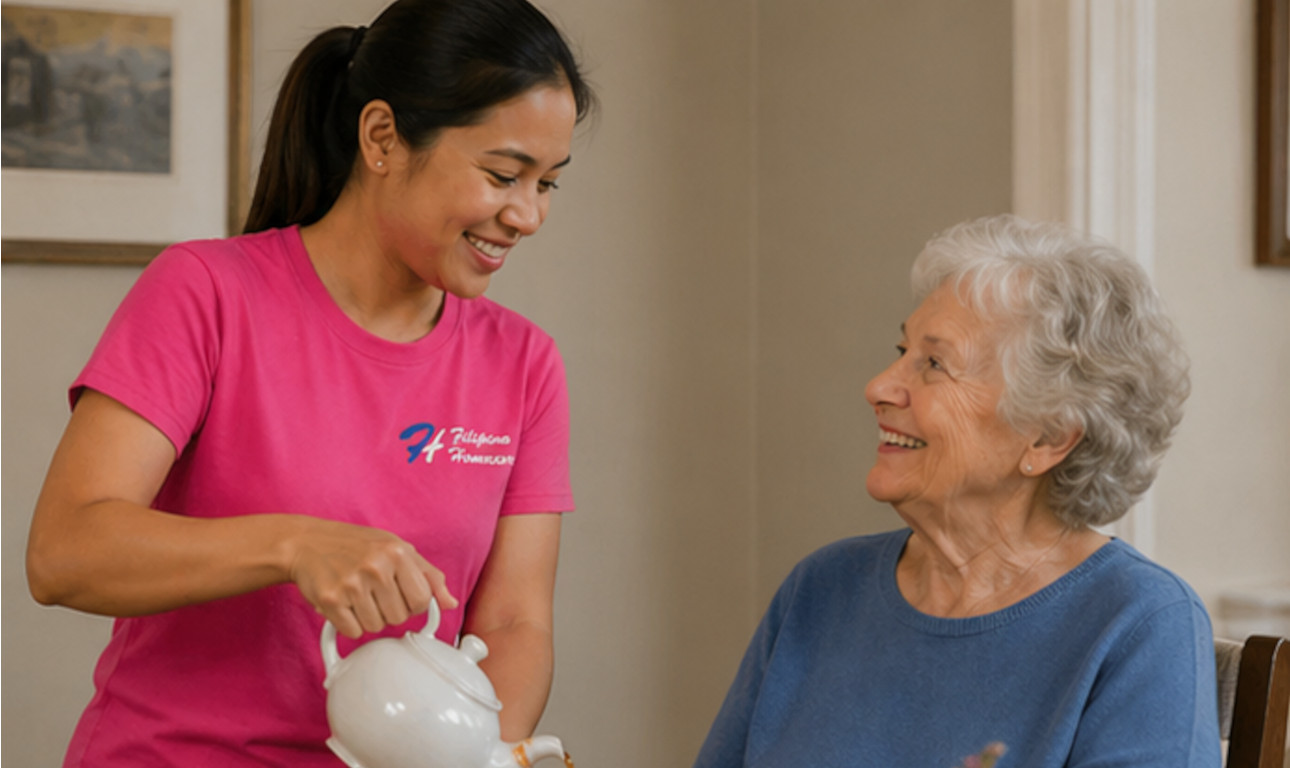
Opt for a calm, relaxed environment where you won't be rushed or interrupted. A quiet afternoon cup of tea, a casual dinner, or during a familiar activity can be ideal. Avoid confrontational settings.
4. Focus on Their Well-being, Not Just Their Deficits
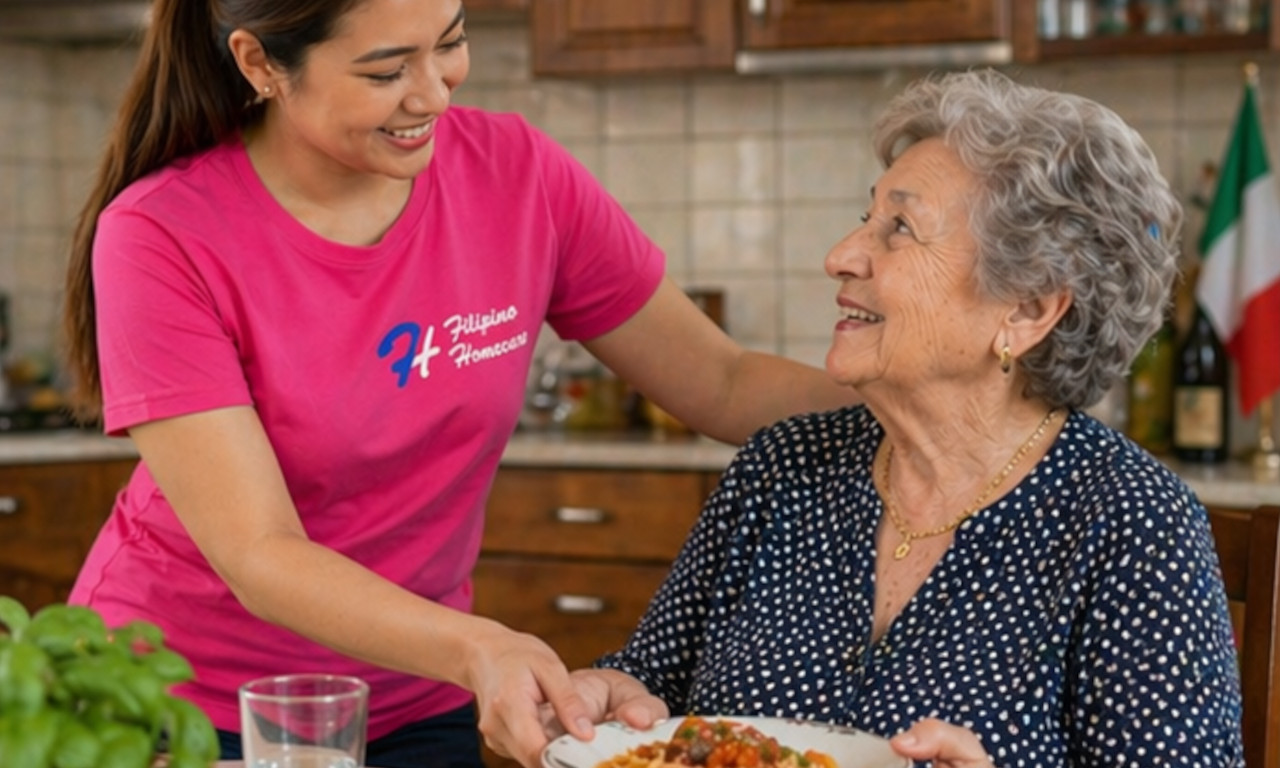
Instead of listing what they can't do, frame home care as a way to enhance their quality of life, maintain independence, and provide peace of mind for everyone. For instance, rather than "You can't cook anymore," try "Imagine having delicious, healthy meals prepared for you, freeing up your energy for hobbies." Especially during fall, mention how a caregiver can help with meal prep, ensuring warm, nutritious food without the effort, leaving more time to enjoy indoor comforts.
Navigating the Conversation: Practical Tips for Empathy and Success
1. Listen More Than You Talk
Let them express their fears and concerns fully. Validate their feelings: "I understand this is a big change, and it's natural to feel worried." Active listening builds trust.
2. Use "I" Statements
Frame your concerns from your perspective: "I worry about you being alone if you fall," or "It would give me such peace of mind to know someone is here to help you get around safely, especially with winter coming." This avoids making them feel blamed or judged.
3. Emphasize Maintaining Independence and Safety
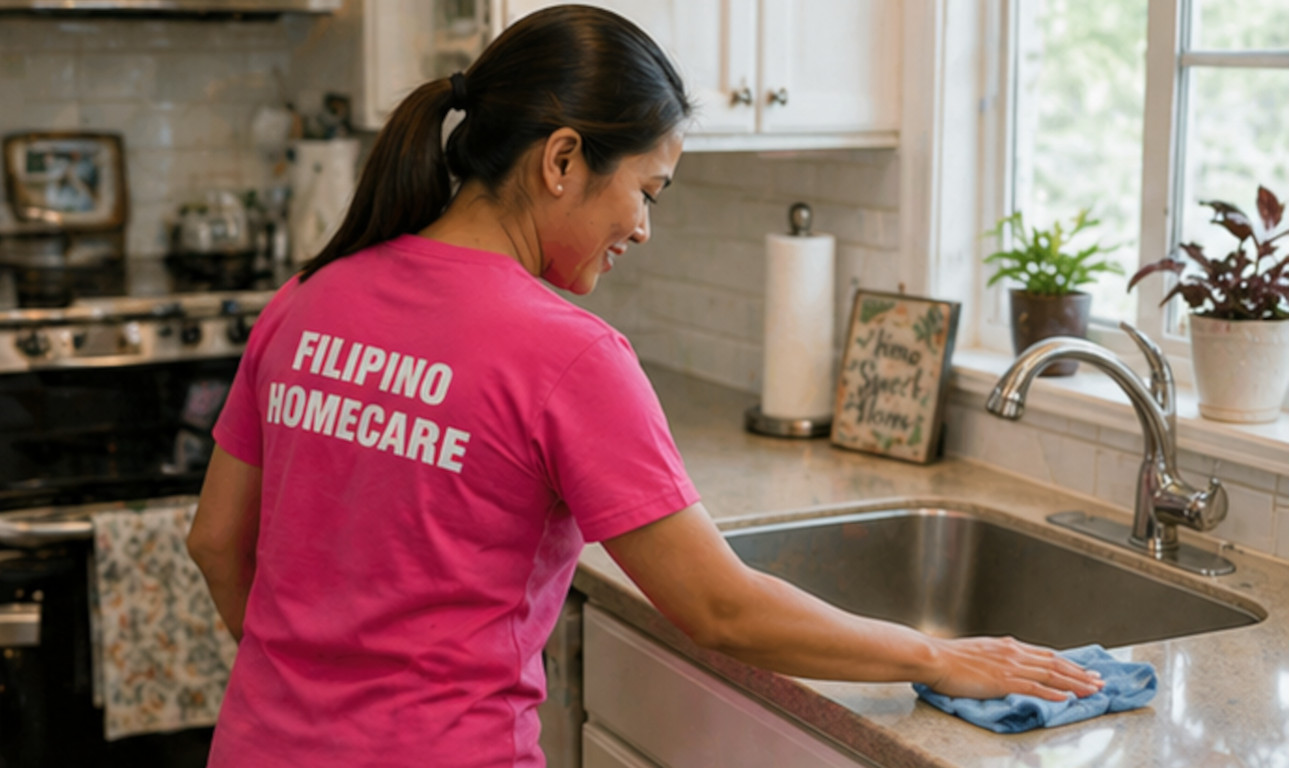
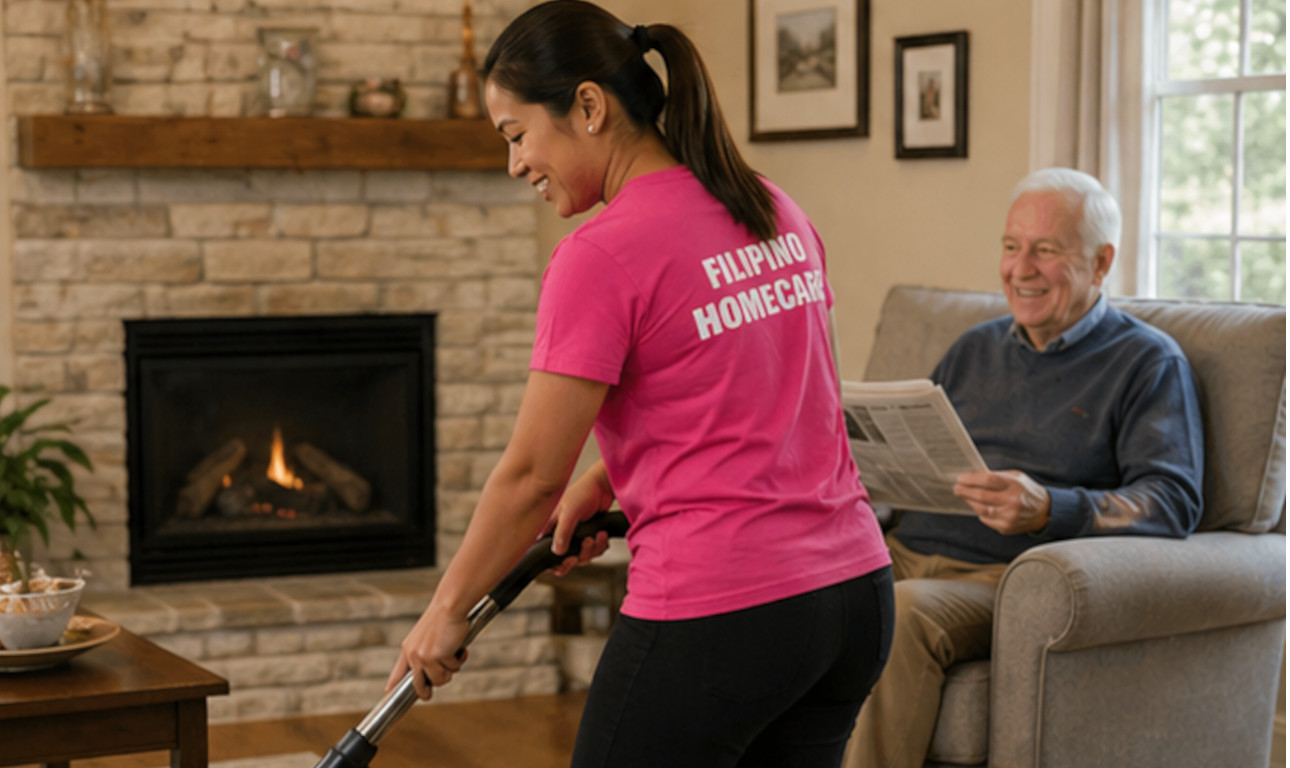
Reassure them that home care is about *supporting* their independence, not taking it away. A caregiver can help with tasks that have become difficult, allowing them to continue living in their own home longer. For example, companionship and light housekeeping can prevent falls, while medication reminders ensure their health. As the days grow shorter and darker, having a compassionate presence can also combat feelings of loneliness.
4. Introduce the Concept of a "Helper" or "Companion" First
Sometimes, the term "caregiver" feels too clinical. Start by suggesting a friendly companion to help with errands, drive them to appointments, or assist with meal preparation. This less intimidating approach can open the door.
5. Highlight the Benefits of Filipino Homecare: Malasakit and Culturally Sensitive Care
This is where Filipino Homecare truly shines. Our compassionate Filipino caregivers are not just trained professionals; they bring a unique quality of 'malasakit' – a heartfelt, deep caring that goes beyond duty. This cultural value means they treat your loved one like family, with profound respect, empathy, and genuine warmth. Mentioning this can be a huge comfort, especially if your parents appreciate a culturally sensitive approach to care. Our caregivers understand the importance of family, respect for elders, and often share common values, making the transition smoother and more comforting.
6. Suggest a Trial Period or Specific Tasks
"What if we tried it for just a few hours a week, perhaps for meal prep or a bit of companionship? If you don't like it, we can stop." Starting small, like with meal prep or companionship care, can ease them into the idea without feeling overwhelmed. This approach is particularly effective for those initially resistant.
7. Discuss the "Why" Behind Your Concerns
Are you worried about falls? Medication management? Nutrition? Cognitive changes that might suggest dementia care is needed? Be specific, but always gentle. "I noticed you've been a bit unsteady on your feet lately, and with the leaves falling, I worry about you outside. A caregiver could help with walks or light chores."
Addressing Specific Concerns and Services
- Personal Care: Gently explain how assistance with bathing, dressing, and grooming can maintain dignity and safety, preventing falls in slippery bathrooms.
- Companionship: Emphasize the joy of shared activities, conversations, and outings, combating loneliness, especially as social opportunities might decrease in colder weather.
- Dementia Care: If memory issues are a concern, explain how specialized caregivers can provide structured routines, gentle redirection, and a safe environment.
- Respite Care: If you're currently their primary caregiver, explain that this is for *your* well-being, allowing you to rest and recharge, making you a better caregiver for them.
- Overnight/24-hour Care: For higher needs, explain how this provides continuous safety and peace of mind, preventing emergencies.
- Post-Hospital Support: If they've had a recent hospital stay, position home care as crucial for a full recovery and preventing re-admission.
- Family Managed Home Care (FMHC): Explain how this option in Ontario allows families more control over their care budget and choices, ensuring their preferences are met.
- Nursing Care & Palliative Care: For more complex health needs, reassure them that skilled care can be provided in the comfort of their own home.
The Filipino Homecare Difference: Compassion Across Ontario
We understand the weight of these conversations. That's why Filipino Homecare is committed to providing not just professional care, but care delivered with genuine 'malasakit'. Our BBB accreditation reflects our commitment to excellence and trust. Whether your family is in Hamilton, Burlington, Oakville, Mississauga, Toronto, Barrie, Ottawa, or anywhere else across Ontario, we are here to offer the compassionate support your parents deserve, allowing them to age gracefully and safely in the comfort of their own home.
Remember, this process takes patience, empathy, and persistence. Your goal is to empower your parents, not to diminish them. By approaching the conversation with love and understanding, you can help them embrace a new chapter of enhanced safety, comfort, and companionship.
Ready to explore how Filipino Homecare can support your family? Let us help you find the perfect match for your loved one. Call us today for a compassionate consultation or visit our website to learn more.
Call Filipino Homecare: 905-929-7322
Visit us online: filipinohomecare.ca
Compassionate Care for Your Loved One
Speak with our care coordinator to design a home care plan that fits your family.
Call 905-929-7322