When is In-Home Nursing Care Right for Your Loved One?

As our loved ones age, their needs often evolve. For many families in Ontario, the journey of caring for an aging parent or senior can bring moments of uncertainty, especially when health complexities arise. You might find yourself asking, “Are we doing enough?” or “Is it time for more specialized help?” These are natural and valid concerns.
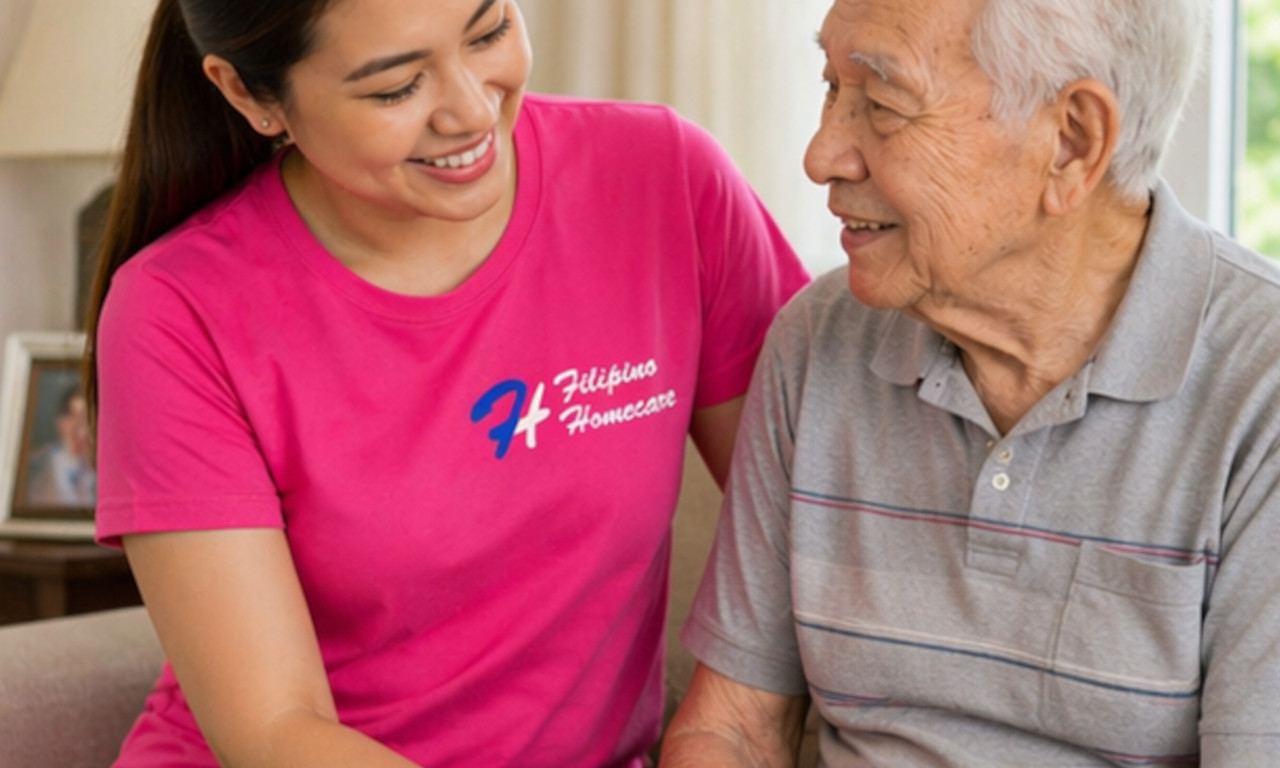
At Filipino Homecare, we understand these anxieties. We believe that everyone deserves to live with dignity and comfort in their own home, surrounded by familiarity and love. Sometimes, achieving this requires a level of care that goes beyond daily assistance – it requires the expertise and compassionate touch of professional nursing care at home.
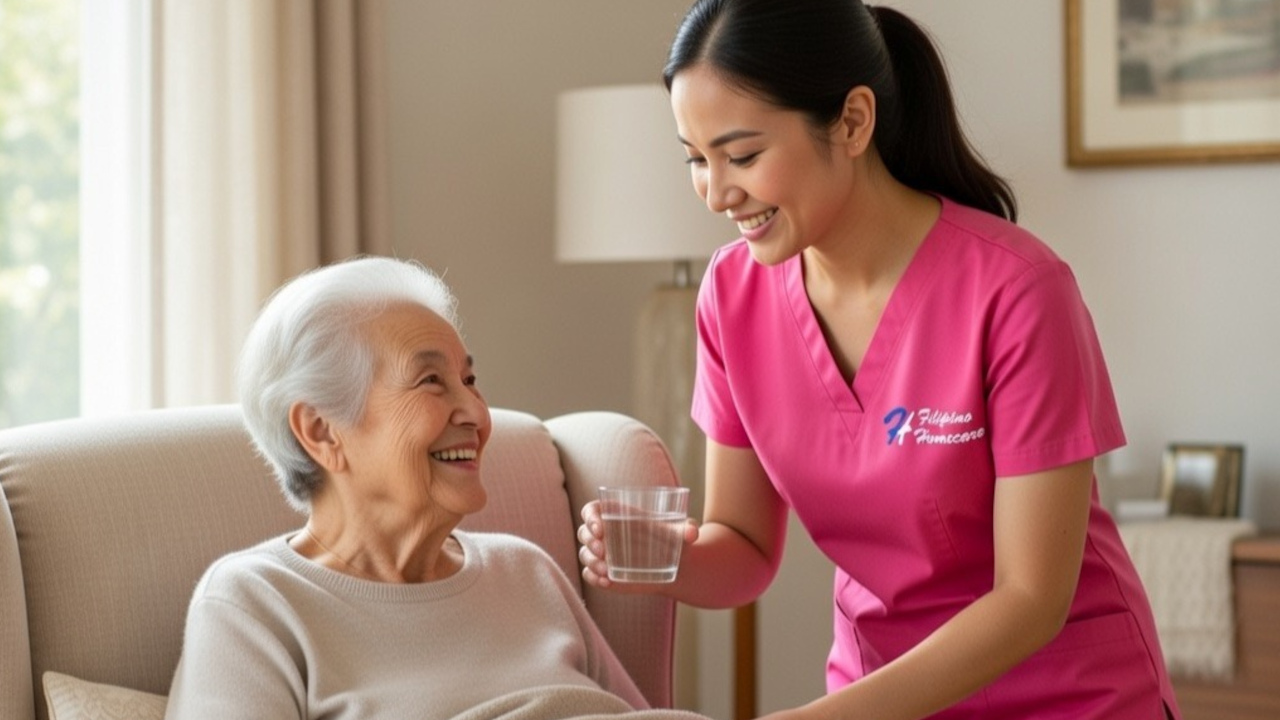
This summer, as we enjoy the warmth and vibrancy of Ontario, it's also a time to reflect on the well-being of our senior family members. While summer brings opportunities for outdoor activities and family gatherings, it can also present unique challenges, such as the need for careful hydration monitoring or managing medication sensitivities to heat. Having professional nursing support can offer immense peace of mind, ensuring health is maintained through all seasons.
Let's explore the key indicators that suggest your loved one might benefit significantly from in-home nursing care, and how Filipino Homecare can provide that essential support with our signature “malasakit” – heartfelt, compassionate caring.
What is In-Home Nursing Care?
First, it’s helpful to clarify what professional nursing care at home entails. While personal care, like assistance with bathing, dressing, and meal preparation, is vital, nursing care is distinct. It involves medical interventions and monitoring provided by a Registered Nurse (RN) or Registered Practical Nurse (RPN) in the comfort of your loved one’s home. This can include:
- Medication management and administration (injections, IVs)
- Wound care and dressing changes
- Catheter care and ostomy management
- Post-operative care and monitoring
- Disease management and education (e.g., diabetes, COPD, heart failure)
- Palliative and end-of-life care support
- Vital sign monitoring and health assessments
- Pain management
This specialized care allows individuals to recover, manage chronic conditions, or receive palliative support without the stress and disruption of hospital stays or frequent clinic visits.
Key Signs Your Loved One May Need Nursing Care at Home
Recognizing the need for nursing care isn't always obvious. Here are common indicators that it might be time to consider professional in-home nursing support:
1. Managing Complex or Multiple Chronic Conditions
If your loved one lives with conditions like diabetes, heart disease, COPD, or kidney disease, their care often involves intricate medication schedules, dietary restrictions, and symptom monitoring. A professional nurse can provide expert management, administer insulin injections, monitor blood pressure, assess respiratory function, and educate both the client and family on disease progression and self-care strategies. This proactive approach can significantly improve quality of life and prevent complications, keeping them safe and comfortable, even during the summer heat when certain conditions can be exacerbated.
2. Recent Hospitalization, Surgery, or Illness
The transition from hospital to home can be daunting. After surgery, a fall (which can be a risk even in summer, perhaps from uneven outdoor surfaces), or a serious illness, your loved one may need skilled observation, wound care, pain management, or assistance with mobility. Our nurses can provide post-hospital support, ensuring a smooth recovery, preventing readmissions, and meticulously following discharge instructions. This allows for healing in a familiar environment, surrounded by personal comforts.
3. Challenges with Medication Management
Is your loved one struggling to remember doses, experiencing adverse reactions, or having difficulty administering complex medications like injections? Medication errors are a leading cause of hospital visits for seniors. An in-home nurse can meticulously organize and administer medications, educate on side effects, and coordinate with pharmacists and physicians, ensuring adherence and safety, especially important when summer travel or changes in routine might disrupt schedules.
4. Frequent Falls or Increased Mobility Challenges
While personal care can assist with mobility, a nurse can conduct comprehensive fall risk assessments, monitor gait and balance, and implement strategies to reduce fall hazards. This is crucial year-round, but perhaps even more so as seniors might be more active outdoors during the summer, increasing potential exposure to uneven terrains or slippery surfaces. They can also manage any injuries that may occur, providing immediate, skilled attention.
5. Advanced Stages of Dementia or Cognitive Decline
While our dementia care services provide compassionate support for daily living, as cognitive decline progresses, individuals may require more specialized medical oversight. This can include managing challenging behaviours related to medication changes, monitoring for infections that might be difficult to articulate, or ensuring proper nutrition and hydration – a critical concern during Ontario’s hot summer months.
6. Chronic Wound Care or Ostomy Management
Wounds, whether from surgery, pressure ulcers, or chronic conditions, require consistent, sterile care to heal properly and prevent infection. Our nurses are skilled in advanced wound care techniques, dressing changes, and ostomy maintenance, ensuring comfort and promoting healing at home.
7. Receiving Palliative or End-of-Life Care
For individuals facing a life-limiting illness, palliative care focuses on comfort, pain management, and improving quality of life. In-home nursing provides compassionate support, symptom management, and emotional reassurance for both the client and their family, allowing them to spend their precious time together in the familiar sanctuary of home.
The Filipino Homecare Difference: Malasakit at Your Doorstep
Choosing Filipino Homecare for your loved one’s nursing needs means choosing unparalleled compassion and expertise. Our commitment to “malasakit” – a Filipino value that translates to deep empathy, genuine concern, and heartfelt caring – is at the core of everything we do.
- Compassionate Filipino Caregivers: Our team of Registered Nurses (RNs) and Registered Practical Nurses (RPNs) not only bring clinical excellence but also a cultural understanding that fosters trust and warmth.
- Holistic & Culturally Sensitive Care: We look beyond medical needs to consider the whole person, respecting cultural traditions, preferences, and family dynamics. This means personalized care plans that truly resonate.
- BBB Accredited: Your peace of mind is paramount. As a BBB accredited business, we uphold the highest standards of integrity and service quality.
- Comprehensive Support Across Ontario: Whether you’re in Hamilton, Burlington, Oakville, Mississauga, Toronto, Barrie, Ottawa, or anywhere across Ontario, our dedicated team is ready to serve your family. We also offer a full spectrum of services, from personal care and companionship to respite care, overnight/24-hour care, and Family Managed Home Care (FMHC) support, ensuring integrated care solutions.
Practical Tips for Families
If you recognize some of these signs in your loved one, here are some immediate steps you can take:
- Open Communication: Talk to your loved one and their primary care physician about your observations and concerns.
- Keep a Health Journal: Document symptoms, medication changes, and any incidents (like falls). This provides valuable information for healthcare professionals.
- Research Your Options: Explore services like Family Managed Home Care (FMHC) which can provide flexibility and control over your loved one's care budget.
- Don't Wait for a Crisis: Proactive planning can prevent emergencies and ensure a smoother transition to enhanced care.
Your Partner in Health and Well-being
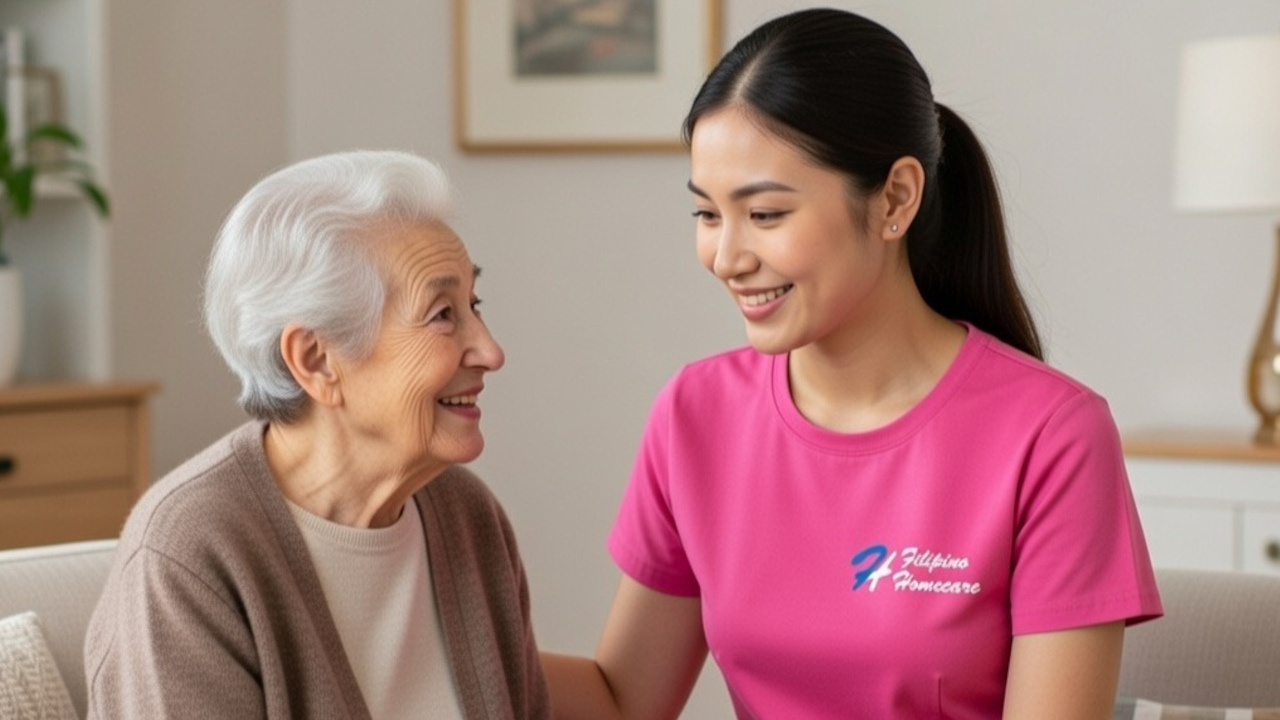
Deciding to bring professional nursing care into your home is a significant step, and it's one you don't have to take alone. Filipino Homecare is here to be your trusted partner, providing expert medical support with the warmth and compassion your loved one deserves.
This summer, let us help ensure your loved one stays healthy, hydrated, and happy, receiving the specialized care they need without leaving the comfort of their home.
Ready to explore how in-home nursing care can benefit your family? We invite you to reach out for a no-obligation consultation. Call us today at 905-929-7322 or visit filipinohomecare.ca. Let us bring “malasakit” into your home, providing peace of mind for you and exceptional care for your loved one.
Compassionate Care for Your Loved One
Speak with our care coordinator to design a home care plan that fits your family.
Call 905-929-7322